
Download the updated technical datasheet for fiber optic polishing film applications and explore how XYT’s advanced lapping film solutions—covering diamond lapping film, aluminum oxide lapping film, silicon carbide lapping film, cerium oxide lapping film, and ADS lapping film—deliver precision, consistency, and efficiency for optical fiber manufacturing and surface finishing. With decades of expertise in abrasive technology, XYT ensures reliable performance and superior quality for professionals seeking high-end polishing solutions across industries.
1. Understanding Fiber Optic Polishing Film Applications
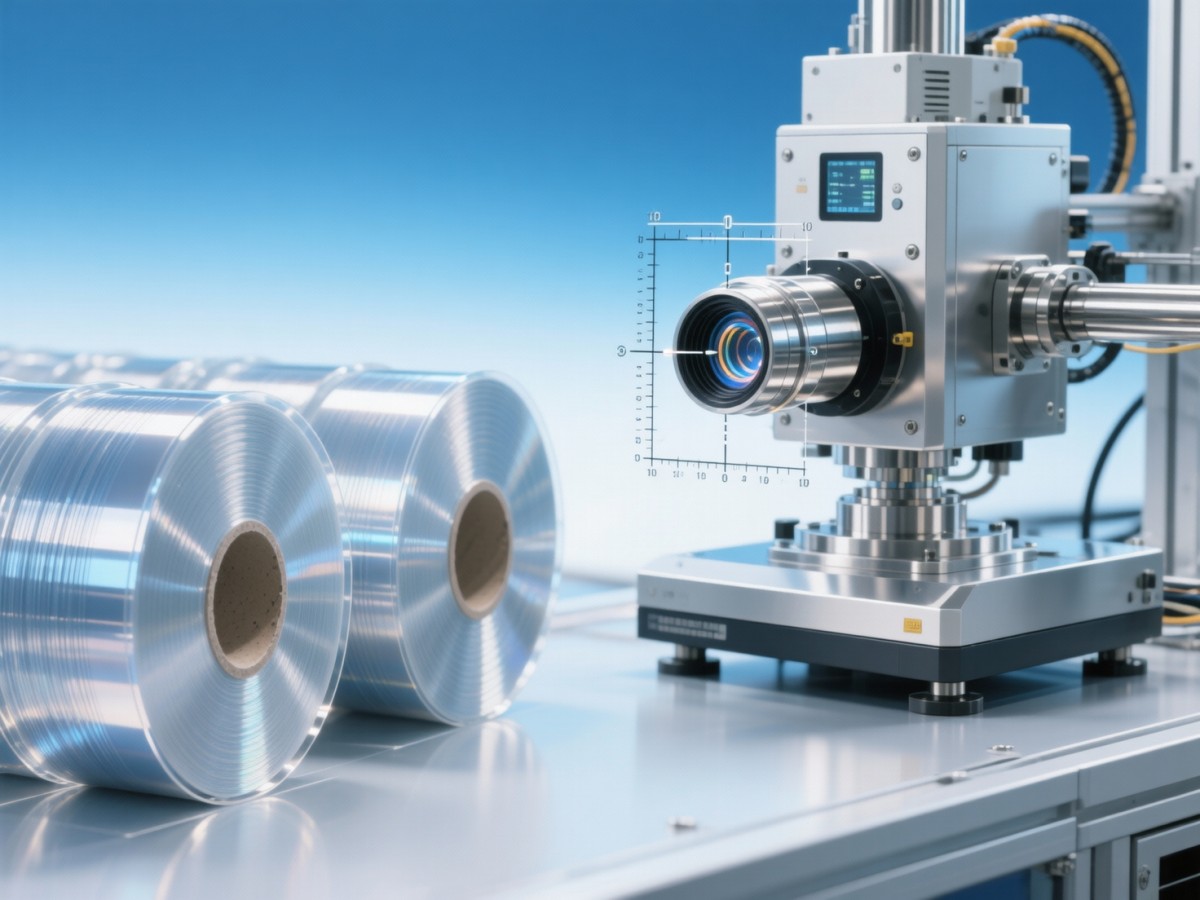
In fiber optic communications, the quality of end-face preparation directly affects transmission efficiency, insertion loss, and long-term reliability. The polishing film used during ferrule or connector production must meet strict optical-grade tolerances, usually within ±0.01 µm surface flatness and sub-0.1 dB insertion loss performance margins. This necessitates high-precision abrasive control across multi-step processes—typically coarse to ultra-fine sequences ranging from 60 µm down to 0.01 µm.
XYT’s advancements in precision-coated lapping films address these stringent needs, combining uniform grit distributions and controlled resin bonding layers to ensure consistent removal rates and surface finishes across batches. Each film type—diamond, aluminum oxide, and silicon carbide—is formulated to meet varying hardness levels and surface demands, ensuring compatibility with ferrule ceramics, zirconia connectors, and metal adaptors.
For manufacturers producing 5,000–50,000 fiber terminations per month, consistent film quality directly links to process yield and throughput. A ±5% variation in particle size distribution can lead to over-polished surfaces or excessive waste. By maintaining strict quality control under optical-grade Class-1000 cleanroom conditions, XYT minimizes fluctuation and ensures repeatable performance over long production cycles.
Download the most recent datasheet from XYT to review detailed optical-grade polishing parameters, including carrier film thickness tolerance (typically 80–125 µm), grit uniformity ratios, and recommended step-by-step sequences for fiber polishing efficiency exceeding 95% workpiece yield.
2. Material Comparison: Diamond vs. Aluminum Oxide vs. Silicon Carbide
Each abrasive material used in lapping films provides distinct mechanical and chemical performance characteristics. Understanding these variations is vital for engineers looking to achieve specific removal rates or surface roughness parameters. Typically, diamond films are suited for ultra-hard materials, aluminum oxide for general-purpose applications, and silicon carbide for cost-efficient grinding where moderate removal rates are acceptable.
The updated datasheet includes a detailed reference for grit gradations and expected MRR (Material Removal Rate), providing technicians and quality control engineers with performance mapping across different stages of optical component finishing.
According to the comparison chart, diamond-based films yield up to 3× higher removal efficiency on zirconia substrates than silicon carbide equivalents during early grinding stages. Aluminum oxide balances between cost and control, often used for mid-range grit sequences (6 µm–1 µm). These insights, compiled in Diamond VS Aluminum Oxide VS Silicon Carbide Lapping Film Comprehensive Lapping Film Grit Size Chart, guide users in optimizing transition points between material types within multi-step polishing workflows.
By analyzing abrasive hardness (Mohs 9–10 for diamond, 9 for SiC, 8–9 for Al2O3), engineers can predict expected lifespan and ensure cost per workpiece remains within 3–5% of target specifications across large-batch optical assembly lines.
3. Technical Parameters and Application Matrix
The updated polishing film datasheet organizes performance across four grit categories—Coarse, Medium, Fine, and Ultra-Fine—optimized for distinct process steps. Each layer contributes specific MRR (Material Removal Rate) ranges measured in µm/min, and surface roughness targets (Ra) identified via interferometric inspection (typically 10–0.005 µm).
Below is the summarized technical parameter matrix, helping engineers calibrate setups or simulate expected outcomes in both manual and automated polishers:
The inclusion of these quantified values helps process developers establish precision workbench settings—pressure (1–3 kg/cm²), dwell time (15–45 s per film), and rotation speeds (100–200 rpm)—for consistent connector geometry alignment. This level of parameter transparency minimizes iterative testing time by 20–30% for new production configurations.
Engineers can cross-reference grit performance values with optical measurements to confirm compliance with IEC and Telcordia standards governing fiber connector end-face geometry, ensuring both safety and transmission performance across ±0.125 mm ferrule concentricity.
4. Procurement and Quality Evaluation Guidelines
Selecting lapping films for fiber optic applications requires balancing five procurement vectors: grit precision, backing film stability, batch consistency, logistical availability, and total cost of ownership (TCO). For industrial buyers managing procurement cycles in 12–18 month frameworks, establishing technical approval benchmarks up front can prevent later production halts.
Procurement teams should evaluate suppliers on at least three quantifiable metrics: batch uniformity deviation (<±3%), coating adhesion reliability (>95% retention after 100 cycles), and packaging traceability codes supporting ISO9001 audits. Suppliers such as XYT integrate in-line inspection and RTO exhaust gas treatment systems to maintain ecological compliance under GB and RoHS directives.
Business decision-makers may also consider the delivery cadence of 7–10 days for common grit configurations and 15–20 days for custom grades, facilitating synchronized scheduling with connector production lines operating in 3-shift systems. Quality assurance departments should verify incoming rolls against specification sheets through random 5-roll metric sampling (per GB/T 2423.1 tolerance method).
Buyers can further reference performance data available within Diamond VS Aluminum Oxide VS Silicon Carbide Lapping Film Comprehensive Lapping Film Grit Size Chart to standardize manufacturing documentation and ensure cross-team clarity between design, procurement, and QC personnel.
5. Common Application Scenarios and Integration with Optical Processes
XYT’s polishing films are used in multiple sectors beyond fiber optics—optical lenses, semiconductors, and micro-motors—all demanding surface finish tolerances within ±0.05 µm. In telecommunications, proper film sequencing ensures ferrule height differences stay under 0.02 mm to prevent signal back-reflection and insertion loss degradation.
Typical integration paths follow four-step transitions: coarse shaping (60–30 µm), intermediate conditioning (15–6 µm), pre-finishing (6–1 µm), and final polishing (0.5–0.01 µm). The process is compatible with both semi-automatic and robotic polishing stations that incorporate feedback-control sensors adjusting pad pressure every 1.5 seconds for consistency.
In the electronic connector segment, high-yield operations record throughput improvements of up to 25% when using XYT’s pre-classified film kits, attributed to the combination of accurate grit uniformity and antistatic PET support. These gains translate to reduced rework rates—dropping from 8% to 3% per 10,000 terminations—showing measurable cost control in electrical component manufacturing.
Within defense or aerospace optics, fine and ultra-fine films play a vital role in achieving mirror-grade finishes on laser collimator and detector mounts, where even a 0.1 µm roughness deviation can compromise focal alignment. Integration into cleanroom polishing stations (ISO Class 5–7) guarantees optical integrity consistent with international quality standards.
6. FAQ: Key Questions About Technical Datasheets and Selection
How often should polishing film datasheets be updated?
Datasheets should be reviewed every 6–12 months or after any coating formula modification exceeding ±2% binder composition variance. Keeping technical documents synchronized with supplier updates ensures alignment between equipment calibration parameters and actual film behavior.
Which parameters are most critical for optical fiber applications?
The three most significant parameters include grit uniformity (CV ≤5%), backing flexibility (elongation ≤2%), and thermal resistance under 40–60°C polishing conditions. Failure to meet these parameters may cause uneven polishing or delamination during long production runs.
What type of testing is recommended during film qualification?
Engineer validation commonly involves 20–30 sample tests under controlled load conditions using interferometry or AFM (Atomic Force Microscopy). This verifies that optical end-face curvature radius and apex offset remain within EIA/TIA 455-57 compliance thresholds, ensuring interconnect reliability.
7. Why Choose XYT for High-End Fiber Polishing Solutions
XYT operates on a 125-acre facility, integrating fully automated coating lines and Class-1000 cleanrooms to ensure particulate control below 0.5 mg/m³. Every production roll undergoes 100% optical inspection and pass-through analysis during manufacturing, maintaining uniform film integrity from initial coating to slitting stages.
The proprietary slurry formulations leverage diamond, aluminum oxide, silicon carbide, and other oxides to produce a wide selection of high-efficiency films. Combined with environmentally safe RTO gas treatment, XYT demonstrates a sustainable approach without compromising industrial throughput, sustaining exports to over 85 global regions.
Clients benefit from end-to-end support, including sample validation within 7 business days, on-site optimization consulting across three process stages, and post-sale auditing assistance. This one-stop integration of production technology and engineering expertise significantly reduces downtime and procurement complexity across supply chains.
For parameter confirmation, customization inquiries, or datasheet downloads, contact XYT’s engineering team to obtain tailored recommendations matching your optical fiber, semiconductor, or electronics finishing requirements. Engage with experts who bridge R&D and field applications to ensure consistent operational results across global manufacturing environments.
Awesome! Share to:
Related Posts
- ◉ China Tightens Abrasive Exports: Carbon Footprint Declarations Required for US and EU Shipments from August 15
- ◉ EU REACH Rules for Nanoparticle Silica Take Effect August 15
- ◉ When Is Cerium Oxide Film Used for Connector End-Face Finish?
- ◉ Diamond vs. Silicon Carbide Lapping Film for Connectors
- ◉ How Should MTP Polishing Parameters Be Tuned?
Get in Touch
*We respect your confidentiality and all information are protected.