
Understanding the Transition from MT Lapping Film to Alternative Polishing Solutions
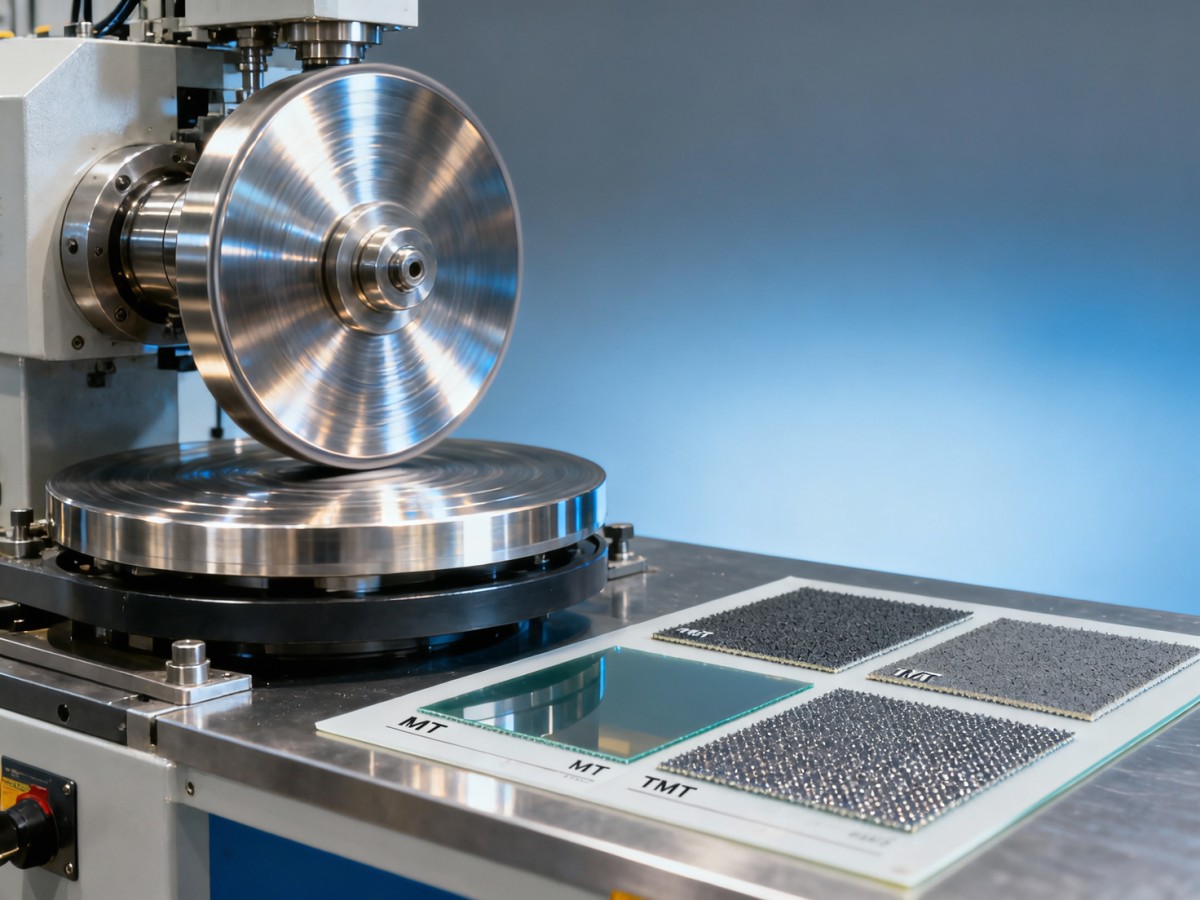
As precision demands rise across optics, electronics, and automotive manufacturing, engineers are increasingly evaluating when to transition from traditional MT lapping film to more advanced solutions. Whether you rely on diamond lapping film, silicon carbide lapping film, aluminum oxide lapping film, or cerium oxide lapping film, understanding the performance limitations and upgrade opportunities of your current materials is essential. This guide explores the signs, technical indicators, and cost-efficiency factors that help determine the right time to shift toward innovative alternatives like TMT lapping film for superior polishing performance.
MT lapping films, widely used for optical fiber connector polishing, deliver reliable surface finishing at micron-level tolerances. However, as industry precision standards approach ±0.01 µm and the number of required polishing cycles per component exceeds 10,000, engineers need enhanced performance levels in consistency, wear resistance, and debris control. Recognizing the right transition point is not just a material choice but a productivity strategy.
XYT, a global high-tech enterprise in premium abrasive and polishing product manufacturing, provides advanced alternatives that help engineers reach sub-nanometer surface roughness while maintaining long operational lifespans. The decision to replace MT films is often driven by measurable shifts in throughput efficiency (above 15%), defect ratio (below 0.05%), and polishing cost per unit (reduced by 8–12%).
Key Indicators Suggesting It’s Time to Move Beyond MT Lapping Film
Determining the optimal replacement timeline requires monitoring both process indicators and result consistency. When material performance fails to sustain production goals, upgrading to a next-generation solution helps stabilize feed rates and extend maintenance cycles.
Performance Degradation Metrics
Common measurable degradation factors include repeatability deviations exceeding ±0.03 µm, or surface roughness Ra values slipping above 5 nm after 800 cycles. MT lapping films often show progressive binder fatigue that limits abrasive exposure uniformity, leading to uneven finishes across batches. When deviations exceed internal process control thresholds, it’s a key signal for replacement.
Rising Maintenance Frequency
If the equipment cleaning interval drops below every 200 cycles or polishing head alignment corrections are required more than once per shift, cumulative downtime increases by up to 20%. Advanced films with stable matrix bonding reduce retooling needs, supporting 1,200–1,500 cycles between adjustments.
Cost-to-Quality Performance Ratio
A holistic cost-performance ratio below 0.9 (quality score divided by unit cost) often indicates potential for process optimization. Engineers can evaluate this by comparing total film cost per batch, rework rate, and throughput efficiency against modern TMT or hybrid abrasive films.
The following table outlines typical data points engineers use for evaluation:
Most engineers observe that once these metrics cross two or more critical thresholds, process upgrades can yield measurable cost savings and improved consistency across production lots.
Material Considerations and Advanced Alternatives
The core of any lapping solution lies in its abrasive composition and binder technology. Traditional MT models employ aluminum oxide or silicon carbide abrasives with polymeric backings designed for moderate precision applications. However, industries such as fiber optics and aerospace increasingly demand submicron smoothness within 10–20 nm uniformity bands.
Comparing Common Abrasives
Diamond-based films achieve removal rates between 0.02–0.04 µm/min, making them ideal for hard materials like ceramics or tungsten carbide. Cerium oxide remains preferred for optical glass and waveguide applications due to its chemical-mechanical polishing synergy. Silicon dioxide and aluminum oxide, offering more balanced removal rates and surface clarity, are suitable for electronic connector applications.
TMT lapping films, widely adopted in high-end polishing, integrate hybrid abrasive layers consisting of dual-grain matrices. This structure enhances heat dissipation and abrasive renewal rate by nearly 30%, which stabilizes output across extended production runs.
Evaluating Operational and Cost Advantages of Advanced Systems
Switching to TMT or comparable advanced films affects various cost drivers—material efficiency, machine downtime, and part quality yield. Cost savings usually appear within the first three months following conversion if proper calibration is maintained across the first 2,000 production cycles.
Throughput and Consistency Gains
Processes enhanced by optimized binder crosslinking demonstrate 15–25% faster polishing speeds at the same pressure threshold (around 0.6 MPa). In addition, consistency improvements reduce the risk of batch rework from 3.5% to under 1% in controlled conditions, significantly improving delivery reliability.
Energy and Environmental Efficiency
Modern equipment combined with TMT solutions can lower overall energy consumption by 10–15% through reduced friction and heat buildup. When paired with effective RTO exhaust treatment systems, as implemented in XYT facilities, waste emission rates remain below 20 mg/m³—meeting global environmental benchmarks for precision manufacturing.
Implementation Strategies for a Smooth Transition
Integrating new polishing materials does not merely involve replacing consumables; it requires a systematic review of process parameters, machinery compatibility, and quality verification procedures. Successful implementation includes multiple controlled evaluation phases to minimize risk.
Step-by-Step Integration Workflow
- Conduct baseline performance benchmarking over 500 cycles using existing MT films.
- Select candidate TMT lapping films based on desired roughness and abrasive type alignment.
- Implement dual-line testing with identical equipment settings for comparative evaluation.
- Measure post-process Ra, Rz, and yield rates across 3 production days for normalization.
- Train equipment operators regarding cleaning and pressure adjustment required for new film properties.
With gradual implementation following this 5-stage pipeline, organizations can realize reliable upscaling within 2–4 weeks, ensuring minimal interruption to supply and maintaining ISO-level process compliance.
Frequently Asked Questions (FAQ)
How do I measure when an MT film has reached end-of-life?
If inspection data shows over 10% decline in removal rate, or visible abrasive wear patterns appear before 600 cycles, replacement is recommended. Tracking polishing curve flattening in tool feedback logs helps quantify the decline.
Can existing polishing fixtures be reused with TMT films?
In most cases, yes. As long as machine pressure range (0.3–0.8 MPa) and rotational balance are consistent, TMT films integrate seamlessly. Minor calibration ensures uniform film contact across the platen.
What is the typical ROI timeline?
Return on investment is typically realized within 3–6 months due to increased film lifespan (1.5× longer average) and consistent yield improvements reducing rework by nearly 30%.
Conclusion: Maximizing Precision through Smart Material Transitions
Understanding when to transition from MT lapping film to advanced TMT or hybrid abrasive systems is critical for maintaining global competitiveness across optical, electronic, and automotive manufacturing sectors. Engineers should monitor accuracy metrics, operational costs, and maintenance intervals to guide their decision process.
XYT’s one-stop surface finishing portfolio—covering diamond, aluminum oxide, silicon carbide, cerium oxide, and silicon dioxide abrasives—offers flexible scalability suited for precision-driven industries. Our fully automated coating and quality control infrastructure empowers companies to achieve smoother surfaces, longer tool lifetimes, and faster delivery cycles.
To discuss customized polishing solutions, or to compare MT and TMT lapping film options for your production line, contact XYT’s technical consulting team today. Tailored guidance ensures optimal process stability and long-term value for your electrical equipment and surface processing goals.
Awesome! Share to:
Related Posts
- ◉ China Tightens Abrasive Exports: Carbon Footprint Declarations Required for US and EU Shipments from August 15
- ◉ EU REACH Rules for Nanoparticle Silica Take Effect August 15
- ◉ When Is Cerium Oxide Film Used for Connector End-Face Finish?
- ◉ Diamond vs. Silicon Carbide Lapping Film for Connectors
- ◉ How Should MTP Polishing Parameters Be Tuned?
Get in Touch
*We respect your confidentiality and all information are protected.