
In fiber optic manufacturing, the choice of lapping film for TMT ferrule polishing directly influences insertion loss stability and overall connection reliability. High-performance lapping films for MT ferrule polishing, MMC trunk cable polishing, and fiber optics polishing ensure consistent end-face geometry, minimize defects, and enhance signal transmission efficiency. As advanced applications demand greater precision, understanding how lapping film selection affects insertion loss becomes crucial for engineers, quality managers, and procurement teams seeking optimal surface finishing performance.
Understanding the Relationship Between Lapping Film and Insertion Loss Stability
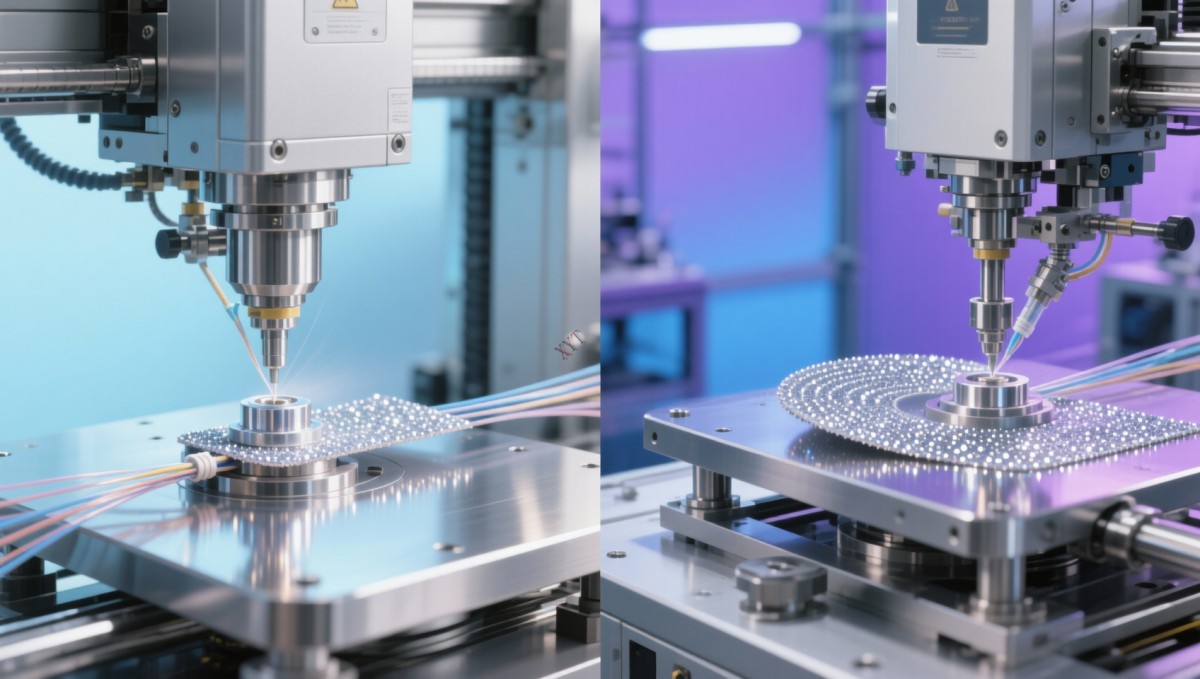
Insertion loss refers to the signal power reduction caused by the connection and interface of optical fibers. TMT ferrules, typically used in multi-fiber connectors, require stringent end-face geometry within ±0.5μm to ensure consistent optical alignment. The polishing material directly determines whether the end face curvature, fiber recess, and protrusion remain within acceptable limits.
When low-quality lapping films are used, micro-scratches, uneven pressure distribution, and inconsistent abrasive dispersion can lead to unstable geometry after 3–5 polishing cycles. This causes insertion loss fluctuation in the range of 0.1–0.3dB, which may not meet telecom-grade standards such as IEC 61300-3-34. High-precision films with uniform particle size distribution ensure smooth removal rates within ±5%, thus maintaining long-term insertion loss stability.
A key factor in maintaining stable insertion loss over continuous production batches is the resilience of the film backing material. For instance, a 3mil-thick PET backing delivers sufficient flexibility for both automated and manual polishing systems operating under 50–70N contact pressure. This ensures consistent performance across up to 500 connectors per batch, reducing the need for frequent recalibration.
In addition, environmental control—such as maintaining 20℃–25℃ room temperature and less than 50% relative humidity—enhances the stability of polishing performance. As optical component manufacturers pursue 0.02dB repeatability in insertion loss, film consistency becomes a decisive competitive factor.
Technical Characteristics of High-Precision Lapping Films for Fiber Optics
High-quality polishing relies on key technical factors including abrasive type, grit size range, binder uniformity, and film backing structure. Diamond films, with grit ranges from 0.1μm to 100μm, provide optimized removal control for optical connectors during both pre-polish and final finishing stages. These parameters determine polishing efficiency and geometric consistency.
Among advanced solutions, Diamond Lapping Film for Precision Finishing Polishing stands out for its versatility. It can be applied in scenarios such as optical component finishing, semiconductor substrate polishing, and electronic surface preparation. With a 3mil flexible backing and uniform diamond abrasive layer, it delivers faster polishing rates—up to 25% shorter process time—while preserving end-face profile integrity.
The following table compares common abrasive materials used in fiber optics film polishing applications:
From this comparison, diamond abrasives demonstrate unmatched durability, capable of sustaining stable removal rates through 8–10 polishing cycles before surface clogging. This minimizes downtime during large-scale production runs and maintains low insertion loss variation.
Procurement and Selection Guide for Optical Ferrule Polishing Films
Selecting the right lapping film is crucial for both technical and economic performance. Procurement teams need to balance surface quality, tool life, and per-unit cost within their project budgets. Optical assembly lines typically use 3–5 grades of abrasives from pre-polish (9μm) to final finishing (0.02μm) across multiple process stages. Each grade impacts labor efficiency and yield rates by 10–15%.
During selection, decision-makers should evaluate the following parameters:
- Grit uniformity consistency within ±3% to ensure predictable removal rates.
- Backing flexibility that adapts to polishing pressure between 50–80N without film tearing.
- Compatibility with different polishing platens and slurries for cross-material applications.
- Supply stability for large-volume orders of over 10,000 films per quarter.
Procurement cycles in the fiber optic component industry usually range from 4–6 weeks, with frequent demand for sample verification. Suppliers with integrated coating and slitting facilities—such as XYT—reduce lead time by 20–30%, which is significant when managing tight delivery schedules for telecom and datacenter projects.
It’s also vital that quality inspectors verify surface roughness parameters (Ra) below 5nm and ensure repeatability across batches. Using XYT’s proprietary coating technologies minimizes variation and aligns with ISO 9001 quality systems for optical-grade production.
Real-World Application Scenarios and Performance Insights
TMT ferrule polishing is applied across high-speed optical communication systems, FTTH networks, and data center interconnects where insertion loss stability determines overall transmission quality. A typical MTP/MPO connector assembly involves 3–4 polishing steps—from rough to final—using progressively finer lapping films.
For instance, in automated multi-fiber polishing machines that process 96 fibers per cycle, using a high-efficiency diamond film can cut total cycle time from 240 seconds to 180 seconds (a 25% improvement). Moreover, consistent end-face shape reduces the post-inspection reject rate to under 1.5%, compared to 3–4% with conventional abrasives.
Beyond fiber optics, such advanced films extend to semiconductor wafers, optical lens molds, and precision dies. The Diamond Lapping Film for Precision Finishing Polishing demonstrates excellent adaptability, delivering uniform material removal in electronics and metal processing applications with grit sizes ranging from 0.1μm to 100μm. This consistency supports surface quality standards required in aerospace-grade assemblies.
Furthermore, repeatability tests performed with automated in-line inspection show surface finish uniformity within ±0.02μm—critical in achieving low-reflectance connector interfaces under 50dB return loss specifications. This performance data provides confidence for production engineers and project managers handling high-frequency, low-loss optical designs.
Common Misconceptions and Maintenance Guidelines
A common misconception is that increasing polishing pressure always accelerates material removal. In reality, excessive pressure beyond 90N may cause irregular fiber height and increase insertion loss variability. Precision polishing requires controlled dwell time—typically within 30–60 seconds per step—along with uniform fluid distribution for consistent results.
Another misunderstanding involves reusing lapping films beyond their designed cycle count. Once surface clogging or particle wear exceeds 20%, polishing results degrade rapidly, leading to scratch defects and unstable geometry. Toolroom managers should establish a replacement interval that aligns with the specific product’s abrasive durability.
To maintain film longevity, store materials at 18–25℃ and 40–60% RH, avoiding UV exposure. Periodic visual inspection every 30 days preserves performance consistency, especially for high-value polishing processes that run continuously for 8–12 hours daily.
In terms of quality assurance, each batch of lapping films should undergo material consistency tests using surface profilometers and particle analyzers, ensuring compliance with optical-grade cleanroom conditions (ISO Class 7 or better). This helps prevent contamination that could compromise submicron-level finishing accuracy.
Why Choose XYT for High-End Optical Polishing Solutions
Backed by 12,000 square meters of precision manufacturing facilities, XYT delivers fully integrated abrasive production capabilities—ranging from coating and slitting to R&D and packaging. Our patented formulations and automated control systems enable stable film quality with thickness variation under ±2μm, greatly improving process repeatability for global clients in over 85 countries.
For optical polishing applications, we provide one-stop solutions that cover diamond, aluminum oxide, and silicon dioxide abrasives, along with compatible polishing pads, fluids, and equipment. Customers benefit from fast response cycles (typically 7–10 days) and technical consultation from our specialized engineering team in fiber optic finishing fields.
Procurement managers and engineers can consult XYT for:
- Customized grit distribution configurations for specific ferrule geometries.
- Verification of insertion loss test parameters and quality certification support.
- Sample evaluation programs for new connector polishing projects.
- Batch-specific data tracking and cleanroom-grade packaging confirmation.
By collaborating with XYT, you gain access to advanced diamond lapping film technologies designed for optical precision, operational stability, and global supply reliability. For detailed parameter confirmation, custom formulations, or quotation requests, contact our expert team to explore a tailored solution for your optical finishing needs.
Awesome! Share to:
Related Posts
- ◉ What technical support should I expect from a lapping film vendor?
- ◉ How to maintain batch-to-batch consistency in connector polishing?
- ◉ Is dry polishing better than wet for MTP connector finishing?
- ◉ What waste disposal requirements apply to polishing slurry in 2026?
- ◉ How to scale a polishing process from prototype to mass production?
Get in Touch
*We respect your confidentiality and all information are protected.