
PRODUCTS
‹
›
‹
›





Product Details
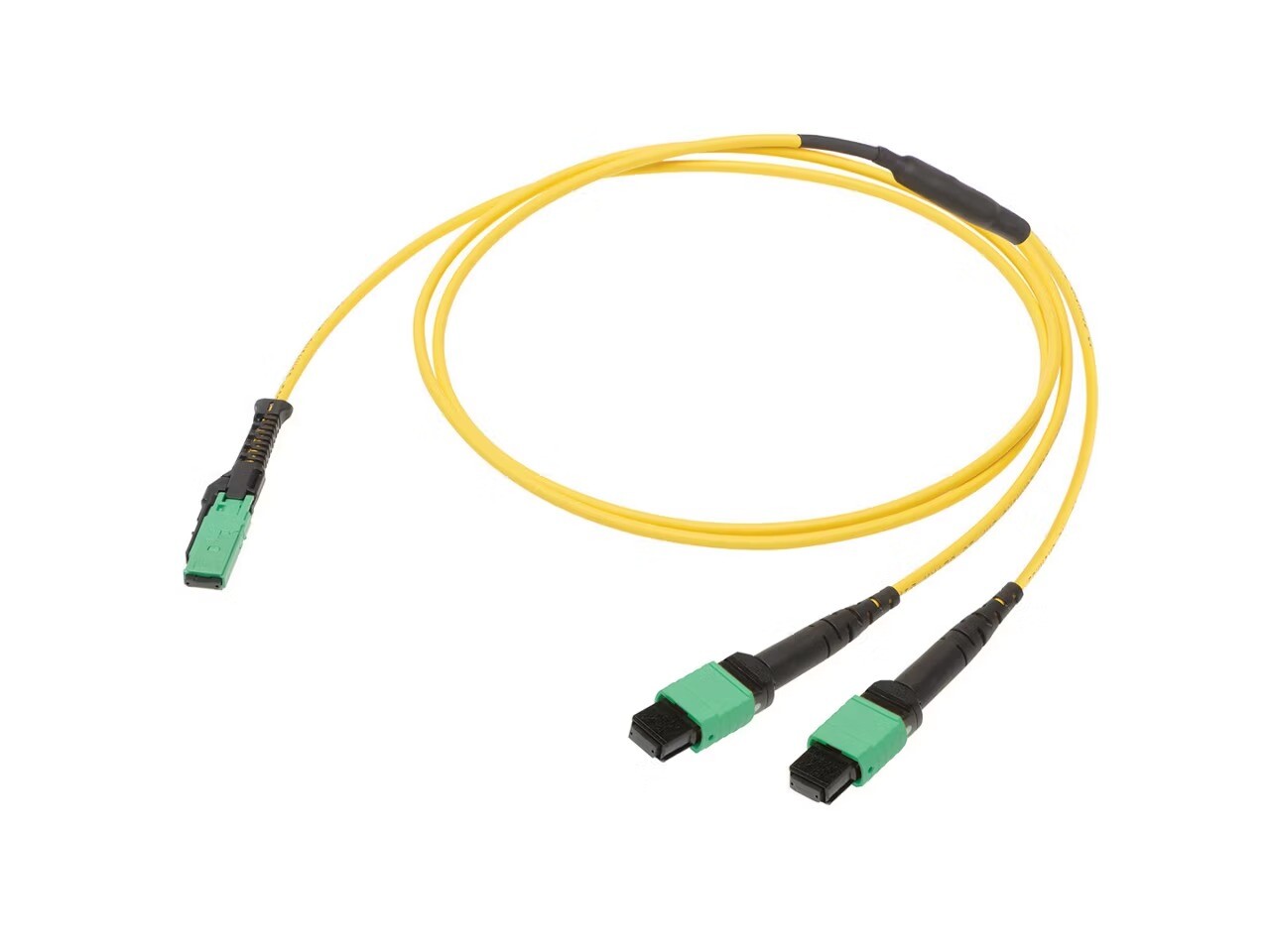
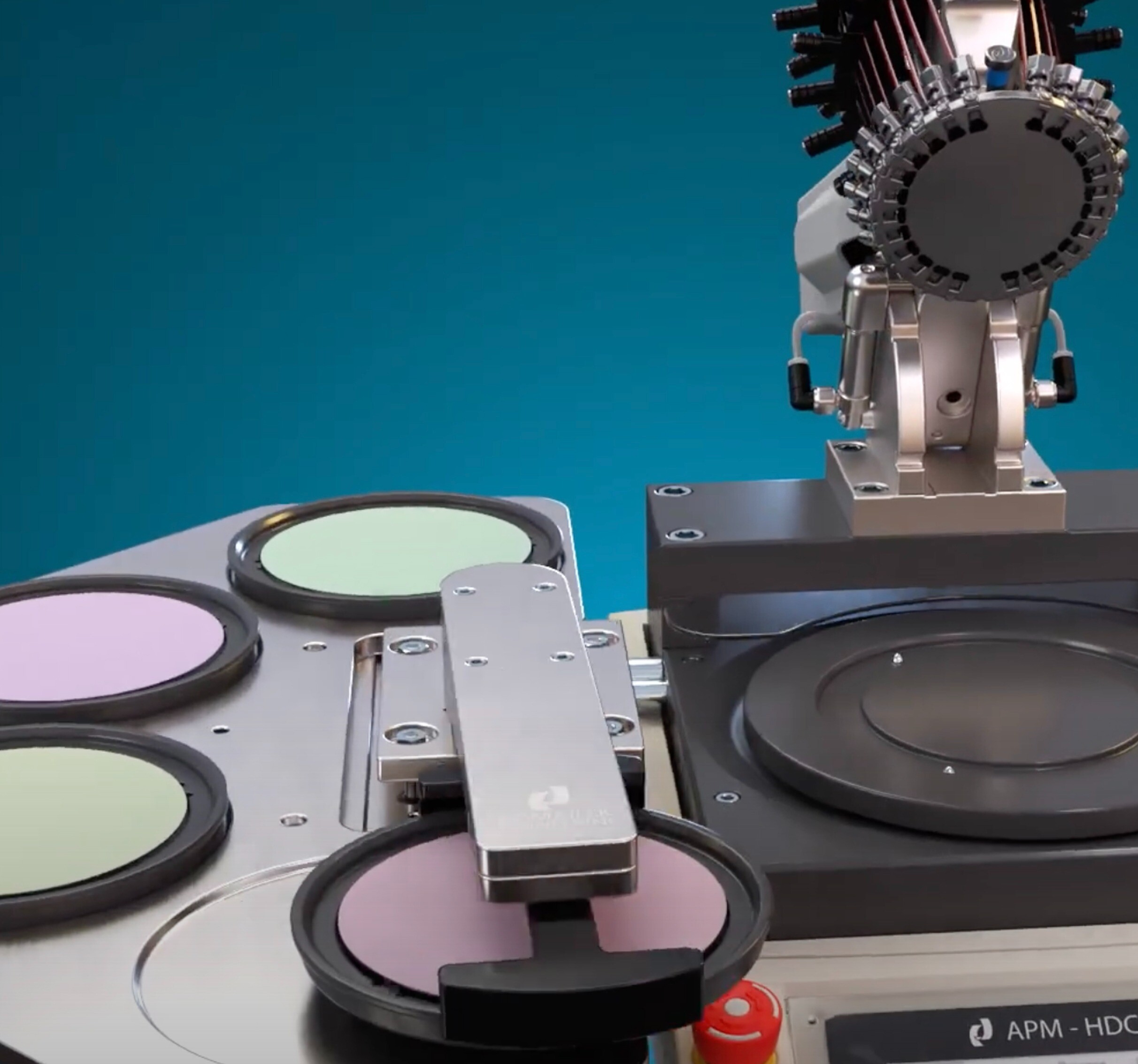
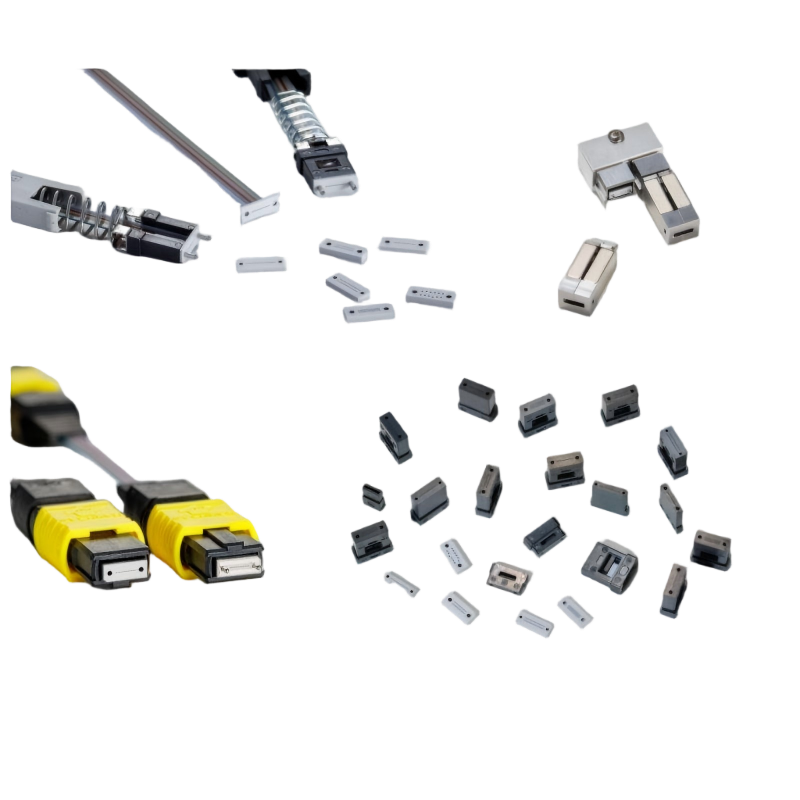
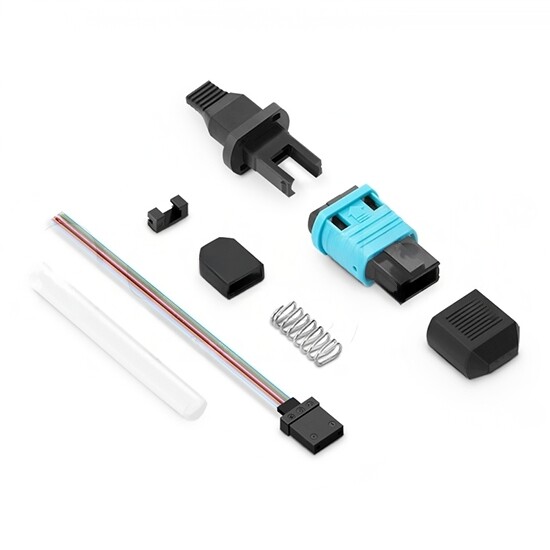
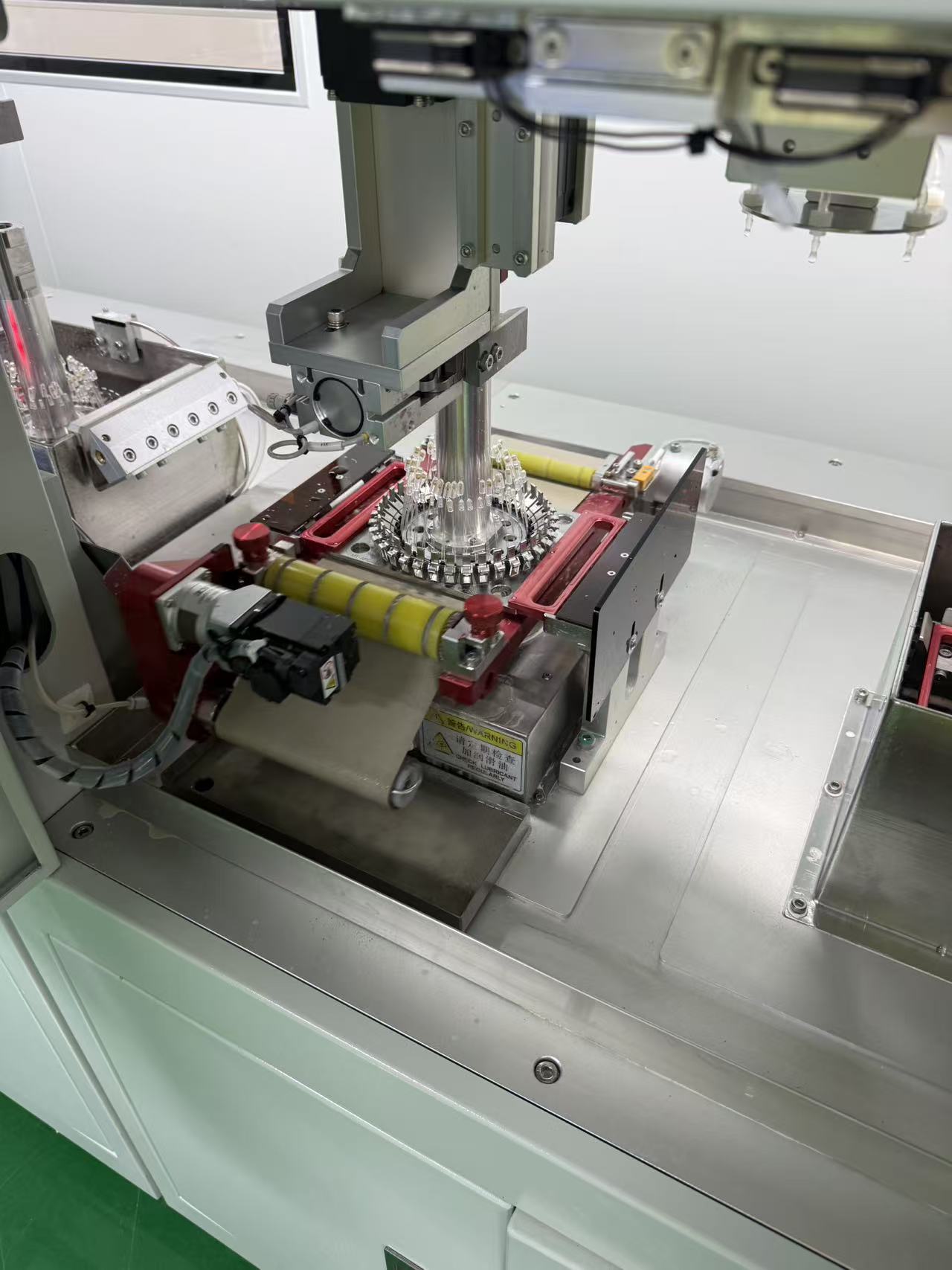
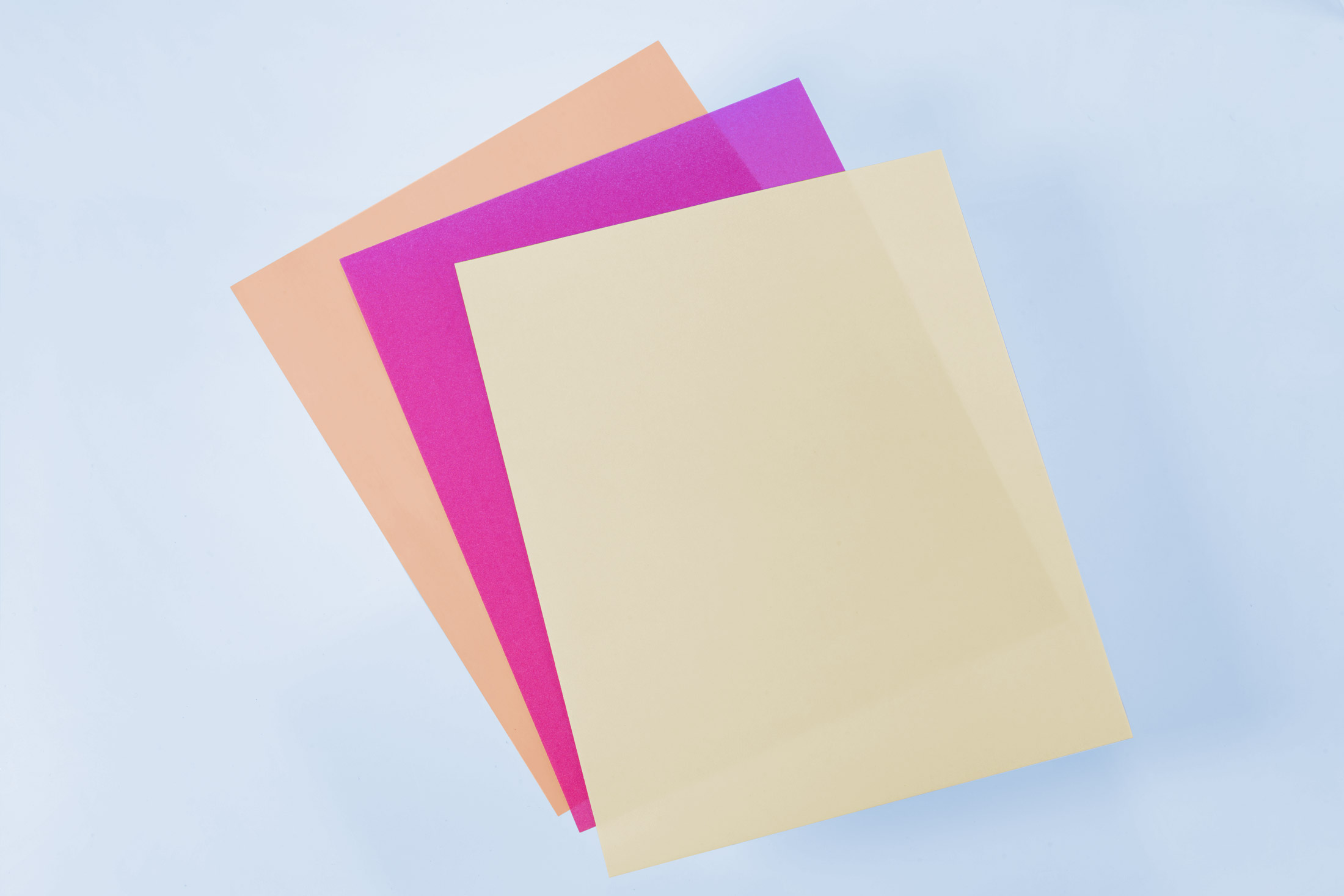
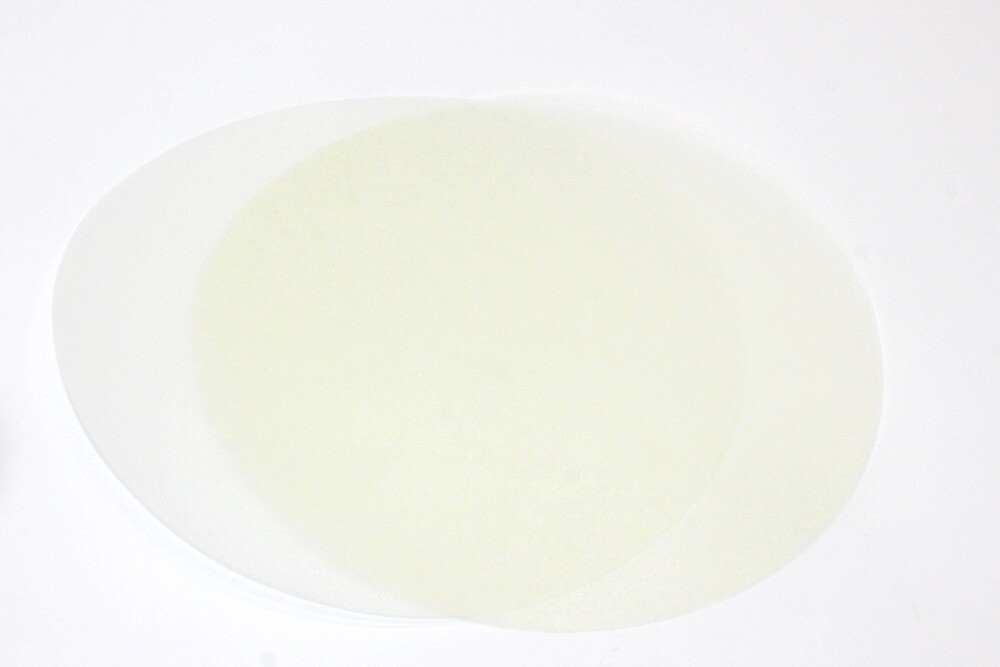
Lapping Film in MPO/MTP/MMC Applications
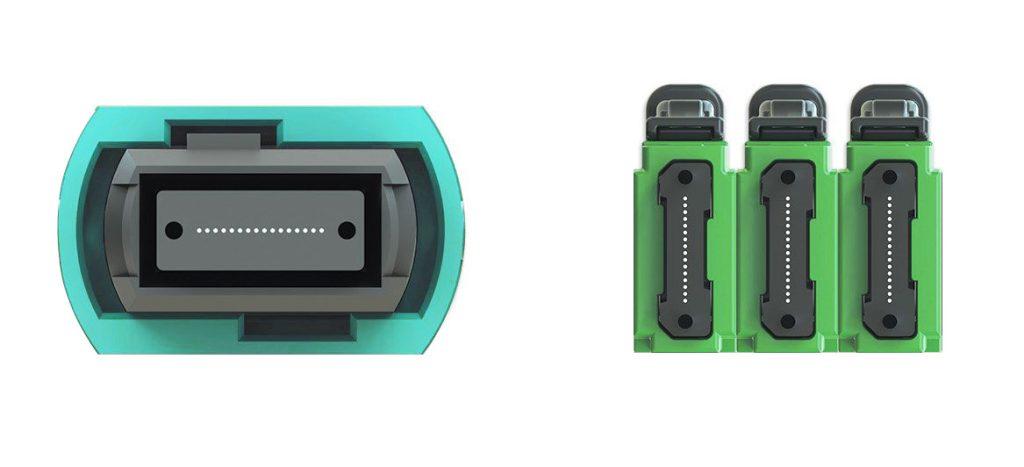
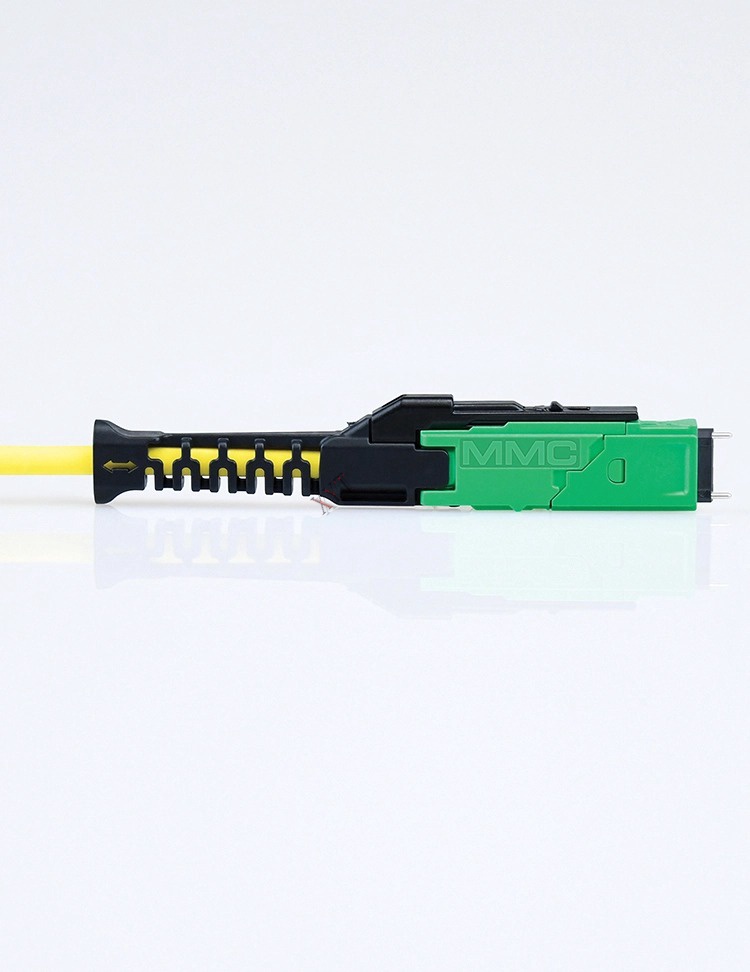
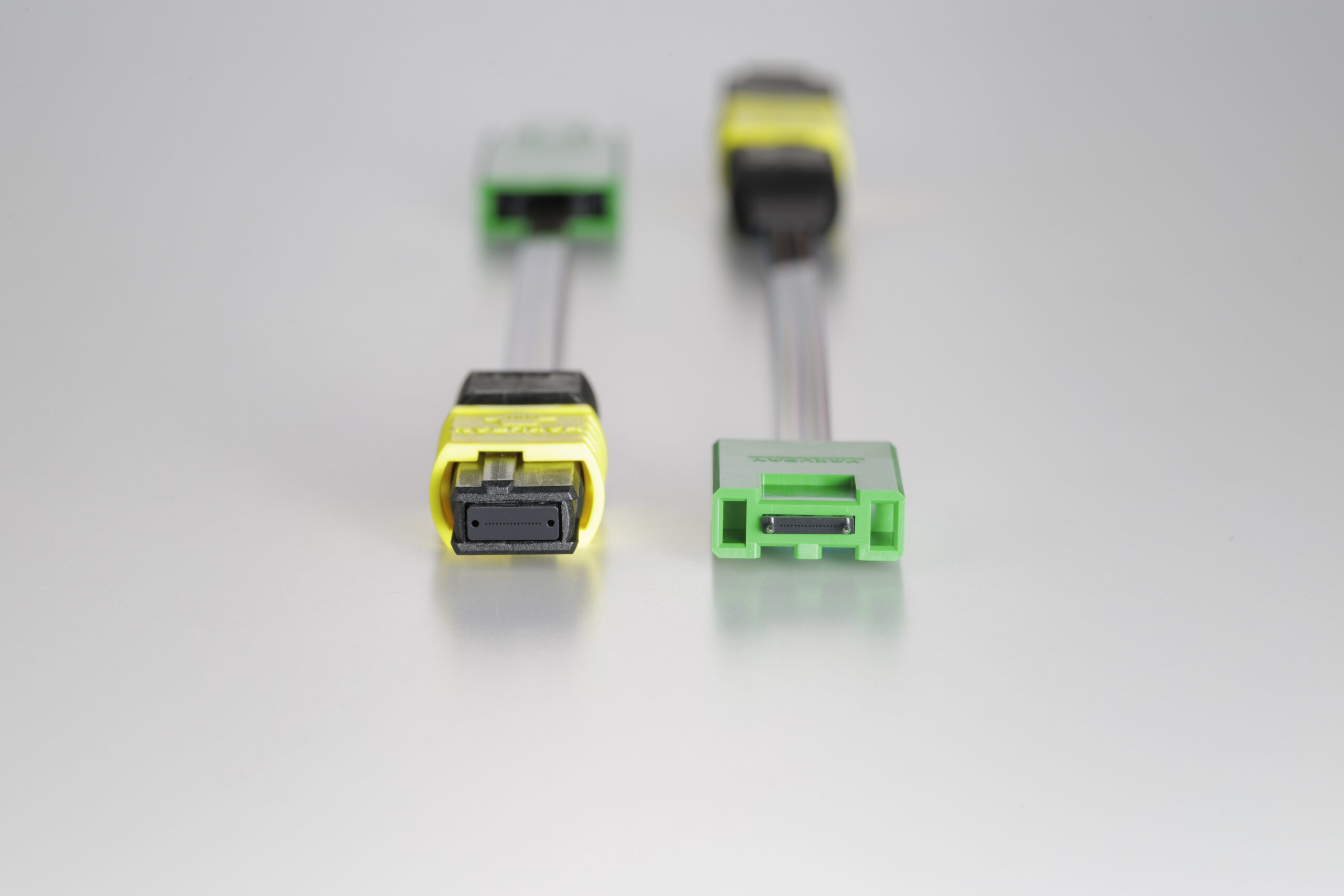
In fiber optic manufacturing and assembly, MPO (Multi-Fiber Push On), MTP® (brand variant of MPO), and MMC (Multi-Mode Connector) connectors require high-precision polishing of the ferrule end face to ensure low insertion loss, high return loss, and reliable optical performance. Lapping film is a key tool in the polishing process, providing controlled abrasive removal and repeatable surface finishes.
1. Role of Lapping Film in MPO/MTP/MMC Connectors
MPO/MTP ferrules are typically made from ceramic (zirconia) or polymer materials, and their end faces must be polished to extremely tight tolerances:
Flatness: To ensure multiple fibers align perfectly when connectors mate.
Surface smoothness: Minimizes signal loss and back reflections.
Consistency: Every fiber must meet uniform polishing standards.
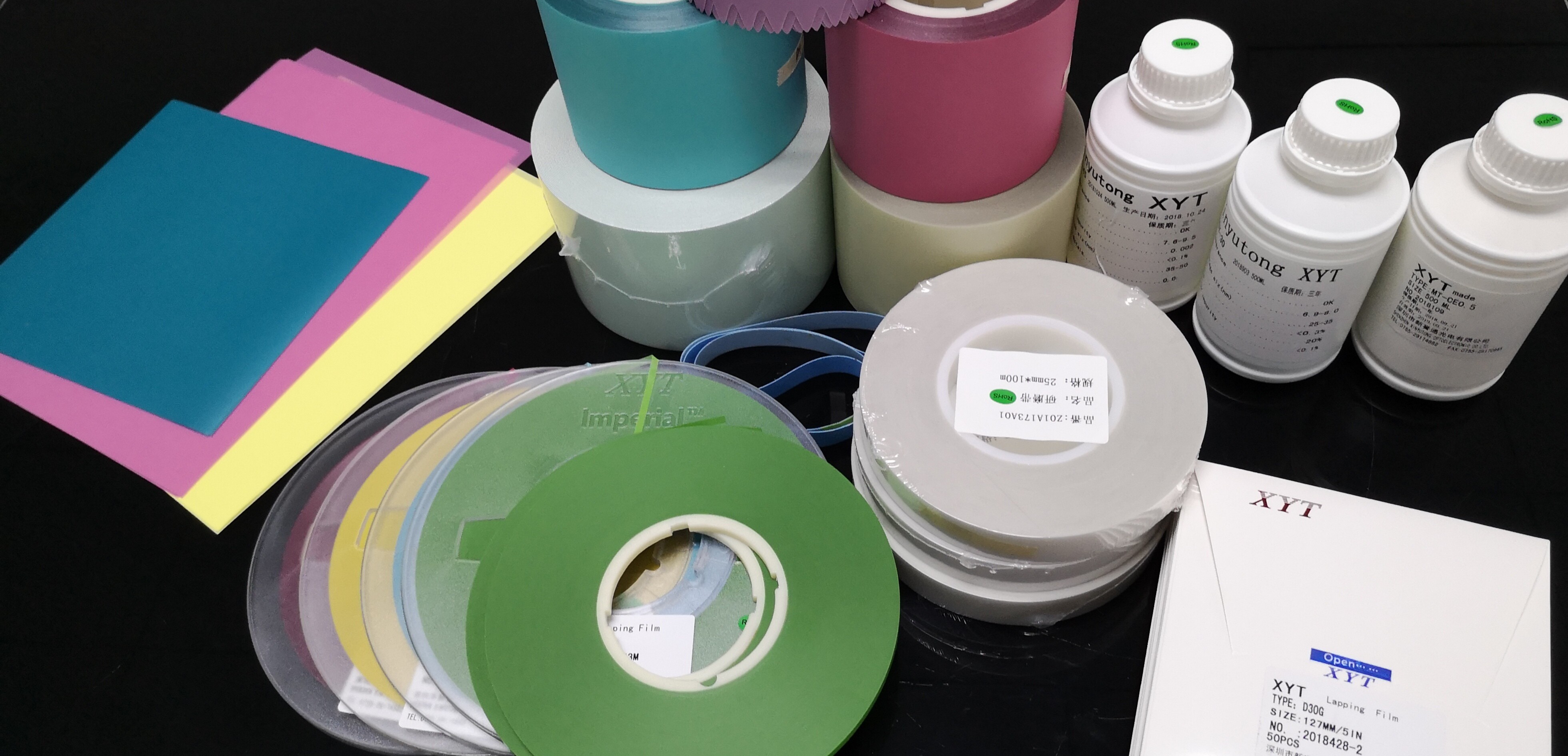
Lapping films are used in sequential polishing steps, replacing or supplementing traditional slurry or pad methods. They provide:
Controlled material removal (from rough flattening to ultra-fine finish)
Uniform flatness across multi-fiber ferrules
Minimal contamination, critical for optical quality
Repeatable, scalable results for mass production
2. Lapping Film Types for MPO/MTP/MMC
⚠ Tip: Sequence choice depends on ferrule material (zirconia vs. polymer) and connector type (single-mode vs. multi-mode MPO).
3. Typical Polishing Sequence
Polishing MPO/MTP ferrules involves progressive lapping using films with decreasing grit sizes. A common workflow:
Notes:
MPO/MTP ferrules often contain 8, 12, 24, 36, 48 and more fibers, so polishing must maintain fiber coplanarity.
Flat or PC (Physical Contact) finish is achieved by controlling pressure and rotation during lapping.
APC (Angled Physical Contact) ferrules use specialized angled polishing films or pads.
4. Advantages of Using Lapping Film
Precision: Achieve flatness within microns across multi-fiber ferrules.
Clean Finish: Minimal contamination ensures low insertion loss.
Repeatable Process: Ideal for factory or lab-scale production.
Flexible Compatibility: Works on zirconia, ceramic, and polymer ferrules.
Customizable: Films are available in various grits and backing materials for specialized applications.
5. Key Considerations for MPO/MTP/MMC Polishing
Fiber Coplanarity: Essential for signal integrity; uneven polishing can degrade performance.
Sequence Compliance: Skipping grit sizes can introduce scratches or uneven surfaces.
Ferrule Material: Hard zirconia ferrules require diamond abrasives; softer polymers can use Al₂O₃.
Polishing Technique: Manual vs. automated lapping must control rotation, pressure, and time for uniform results.
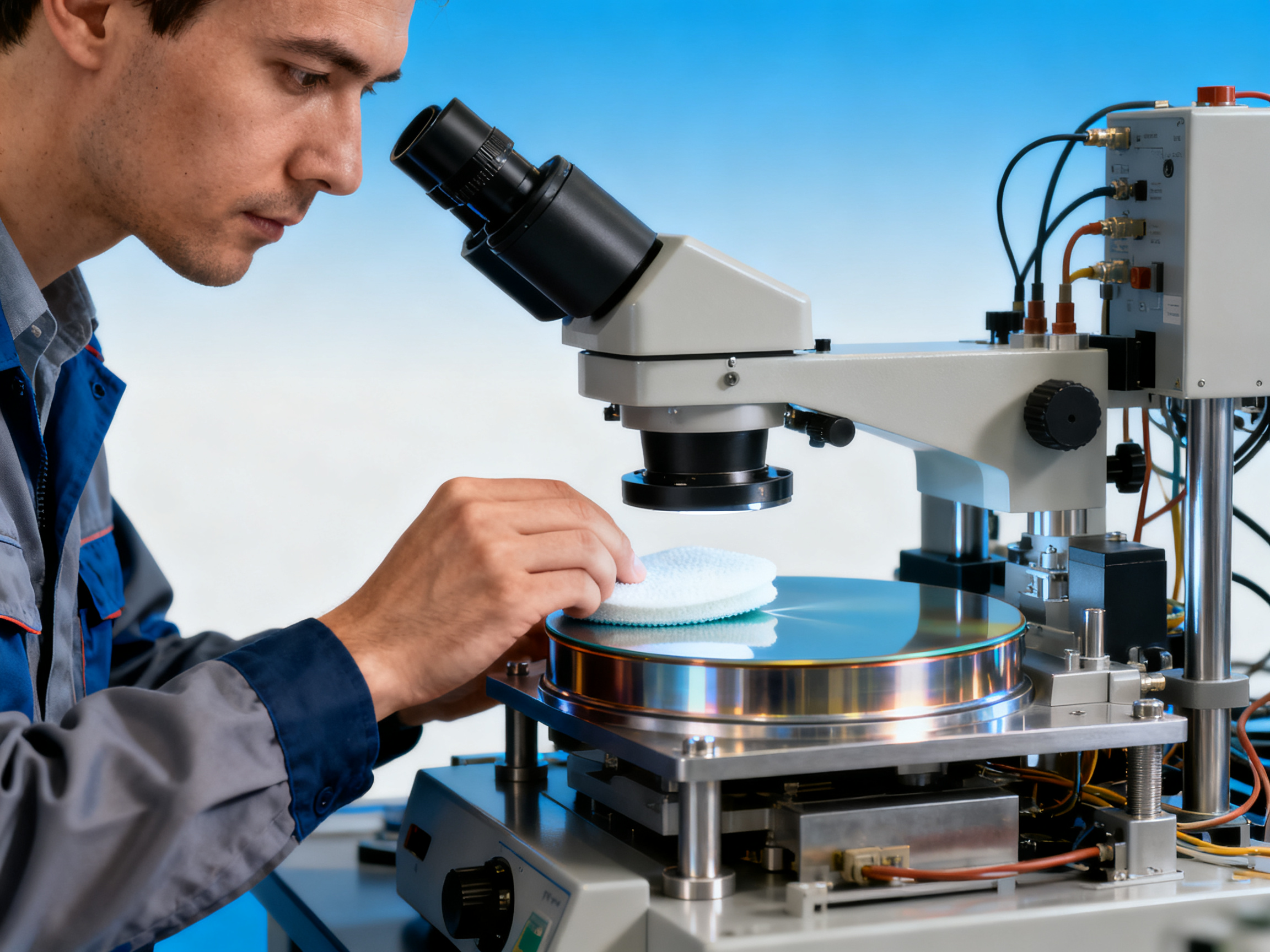
Inspection: End-face inspection (using microscopes or interferometers) ensures surface quality and fiber alignment.
6. Summary
Lapping film is essential for MPO, MTP®, and MMC connector manufacturing, providing:
High-precision flatness and smoothness
Minimal insertion loss and high return loss
Repeatable, scalable results in production
Compatibility with both ceramic and polymer ferrules
Using the correct sequence of abrasives (coarse → fine → ultra-fine) and controlling process parameters ensures long-term connector performance in high-speed optical networks.
Online Consultation
Related Suggestion
 Diamond Lapping Film: Complete Guide to Precision Polishing Technology and Applications
 Lapping Film: The Complete Guide to Precision Polishing, Types, Applications, and Selection
 MMC & MT Lapping Polishing Film: Premium Quality for High-Efficiency Polishing
 XYT Lapping Film for VSFF MMC16, MMC24, MMC32 Polishing
 Step-by-step SOP for MMC VSFF/TMT Polishing Solutions Guide
 Lapping Film Discs and Sheets for Laboratories
, MTCT®, and MT Ferrules Connectors") Lapping Film for PMT, Co‑Packaged Optics (CPO), MTCT®, and MT Ferrules Connectors
Lapping Film for PMT, Co‑Packaged Optics (CPO), MTCT®, and MT Ferrules Connectors XYT Precision Lapping Films and Polishing Consumables for MPO, MTP, and MMC Connectors
 High-Yield MPO/MTP/MMC Polishing Solution for Fiber Optic Patch Cord Ferrules
 Lapping Discs & Sheets – Diamond & Aluminum Oxide | Precision Polishing
 Explore Aluminum Oxide Lapping Film: 0.05 µm – 60 µm Grit Sizes | Discs & Sheets
 0.5 µm PSA Aluminum Oxide Lapping Film Discs & Sheets | Ultra-Fine Polishing
 30 µm PSA Aluminum Oxide Lapping Film Discs & Sheets | Coarse Polishing
 15 µm PSA Aluminum Oxide Lapping Film Discs & Sheets | Coarse Polishing
 12 µm PSA Aluminum Oxide Lapping Film Discs & Sheets | Coarse-to-Medium Pre-Polishing
 9 µm PSA Aluminum Oxide Lapping Film Discs & Sheets | Pre-Polishing
 6 µm PSA Aluminum Oxide Lapping Film Discs & Sheets | Pre-Polishing



Get in Touch
*We respect your confidentiality and all information are protected.