
PRODUCTS
‹
›
‹
›





Product Details
Here’s a production‑ready, verified Standard Operating Procedure (SOP) for polishing Single‑Mode MPO / MTP® ferrules. It’s grounded in actual industry practice (multi‑stage polishing, film/slurry use, inspection criteria) and aligned with general guidance used by fiber‑optic assemblers and documented polishing workflows rather than fiction.
Top SOP for Single‑Mode MPO / MTP® Ferrule Polishing
Purpose:
Achieve repeatable, high‑quality end‑face geometry with low insertion loss (IL), high return loss (RL), and minimal micro‑scratches on single‑mode MPO/MTP ferrules through a controlled, multi‑stage polishing process.
Scope:
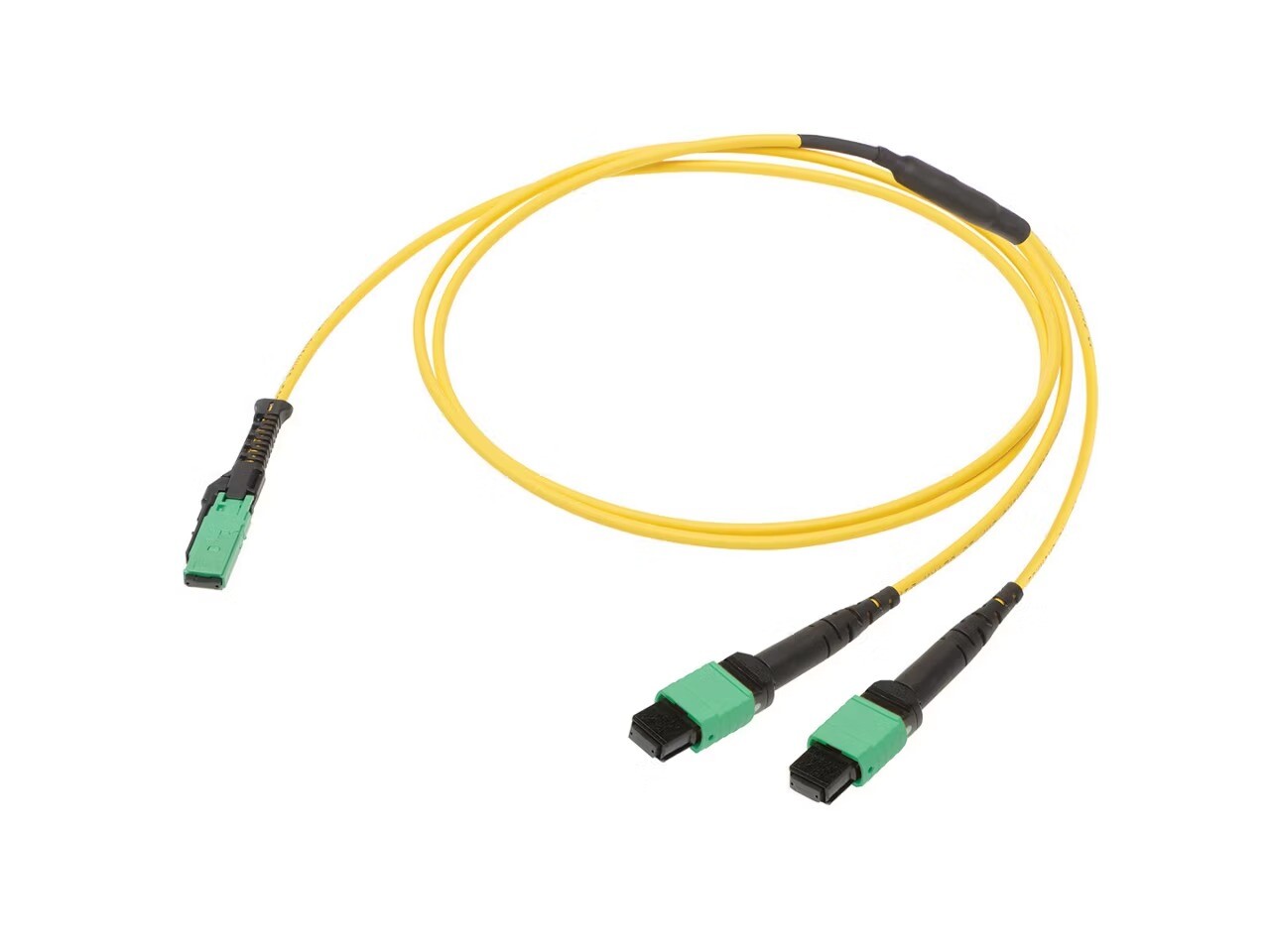
Single‑mode MPO/MTP connectors (e.g., 8-f, 12-f, 16‑f, 24‑f, 32‑f and more) used in telecom, data centers, and high‑speed networks.
1. Preparation & Safety
Tools & Consumables Required
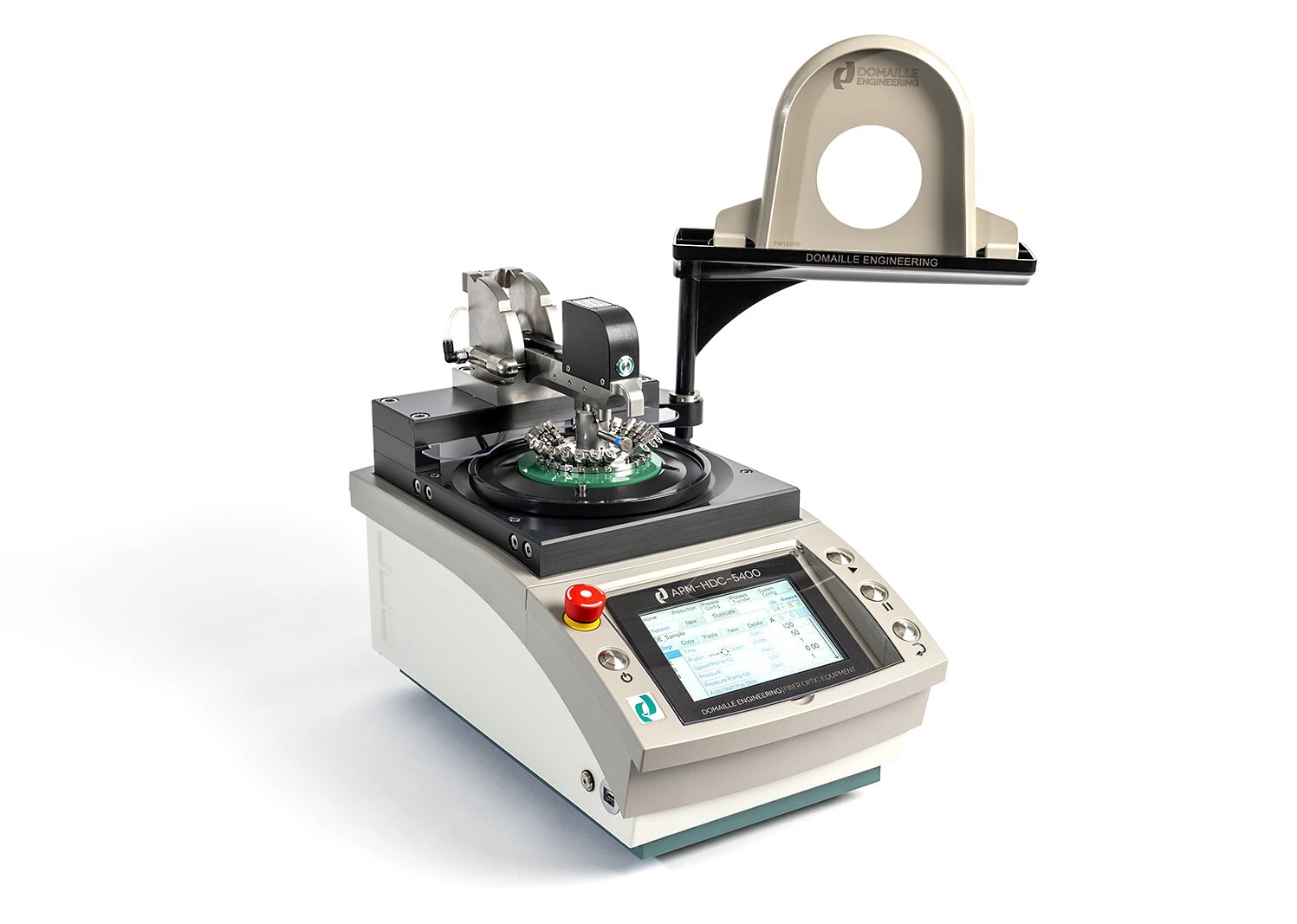
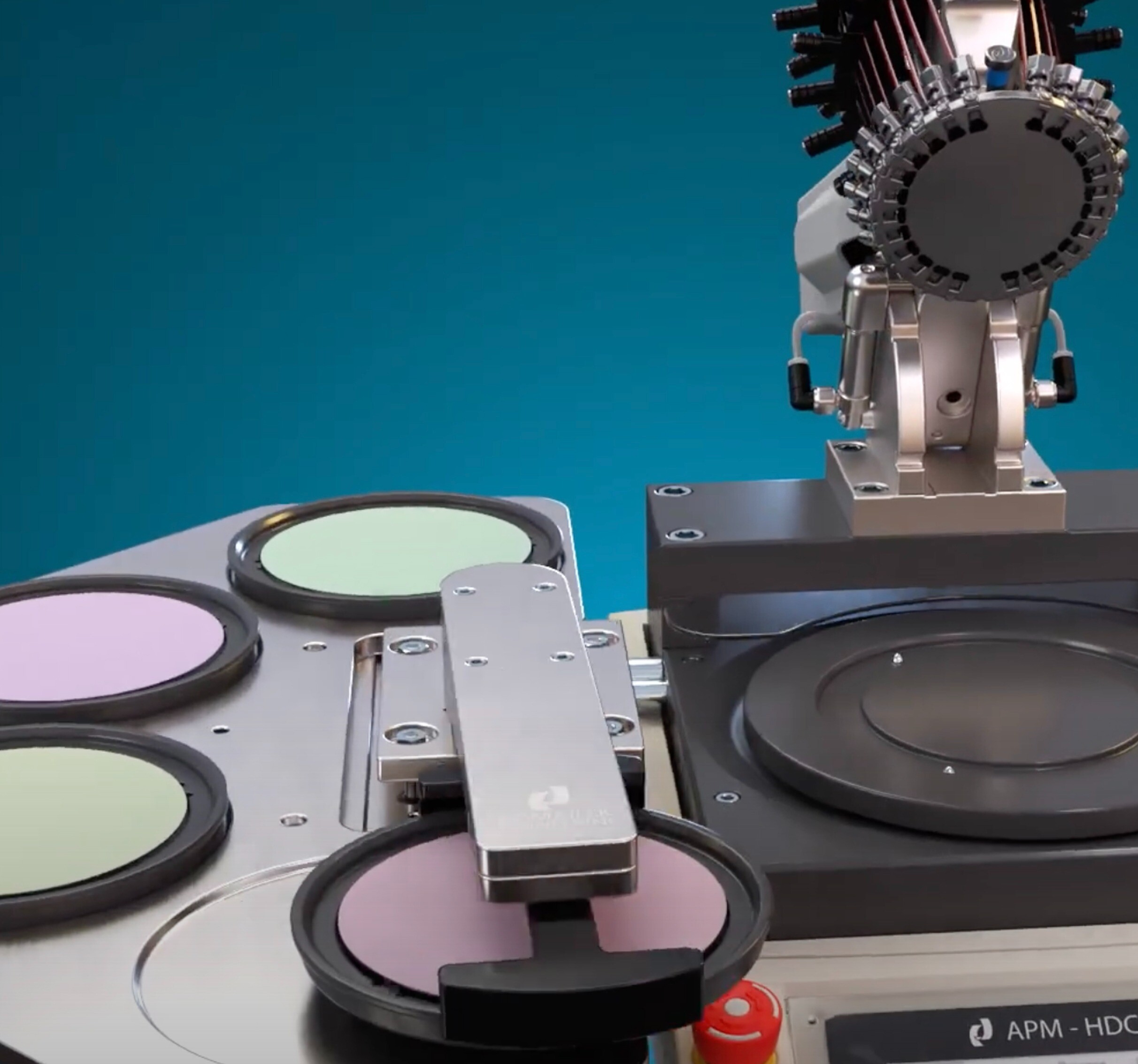
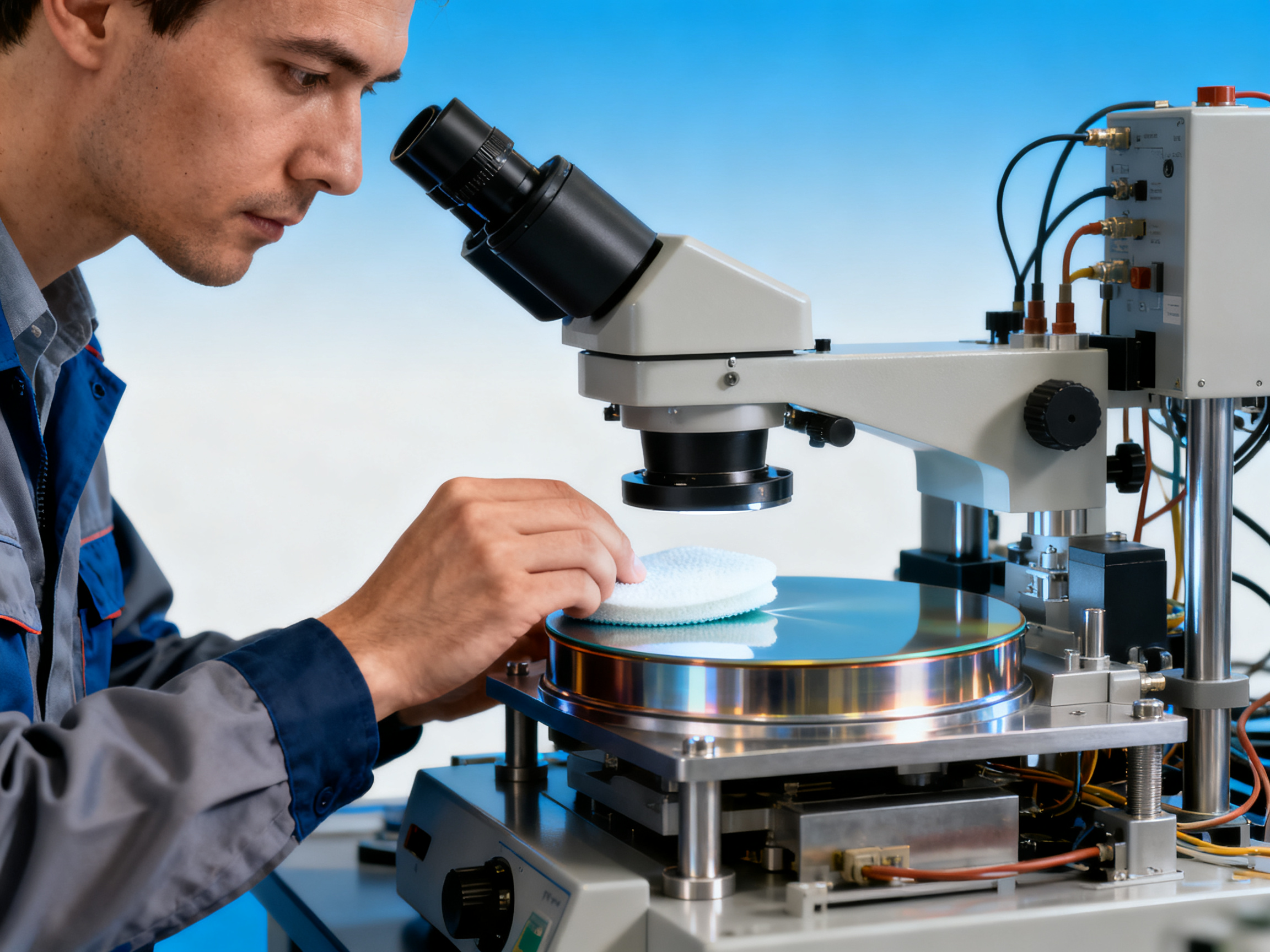
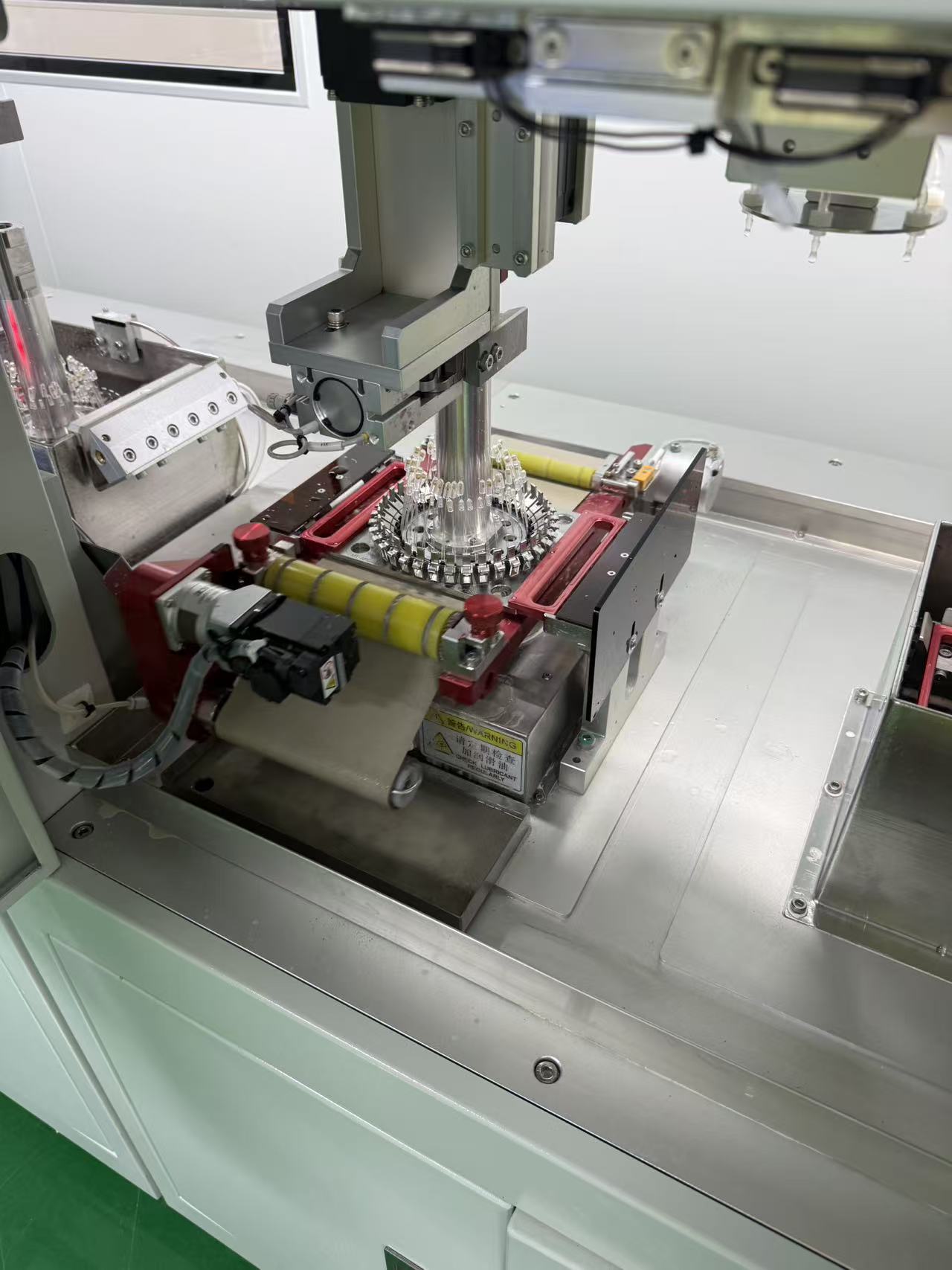
MPO/MTP polishing machine with orbital motion
Polishing films and slurries (SiC, diamond, alumina, SiO₂/CeO₂)
DI water polishing fluid
Lint‑free wipes & IPA (isopropyl alcohol)
Microscope or interferometer for inspection
IL/RL test set for optical verification
General Guidelines
Clean everything before starting (connectors, platen, jig) — moisture and debris cause scratches.
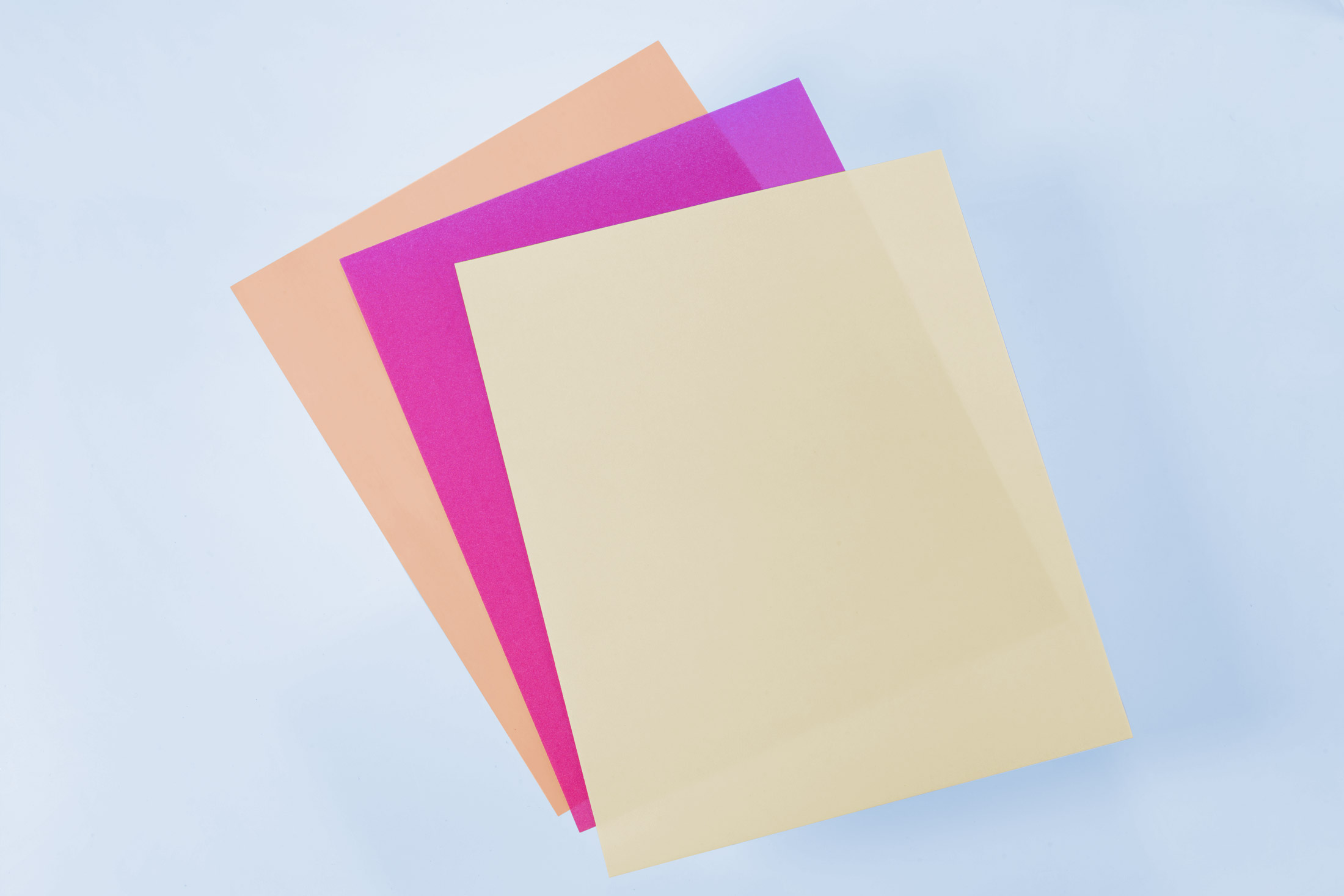
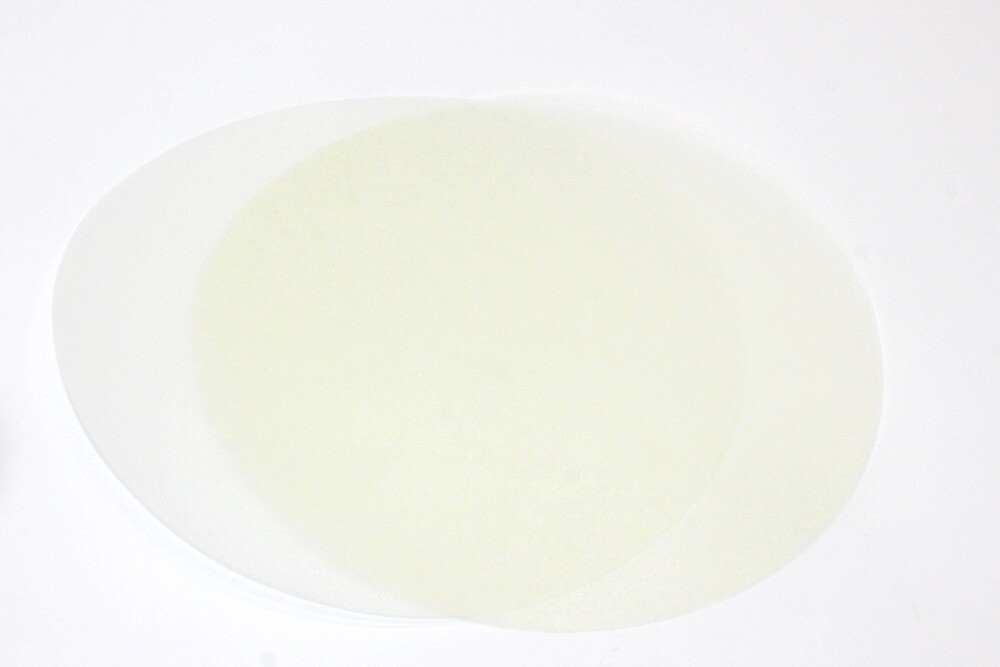
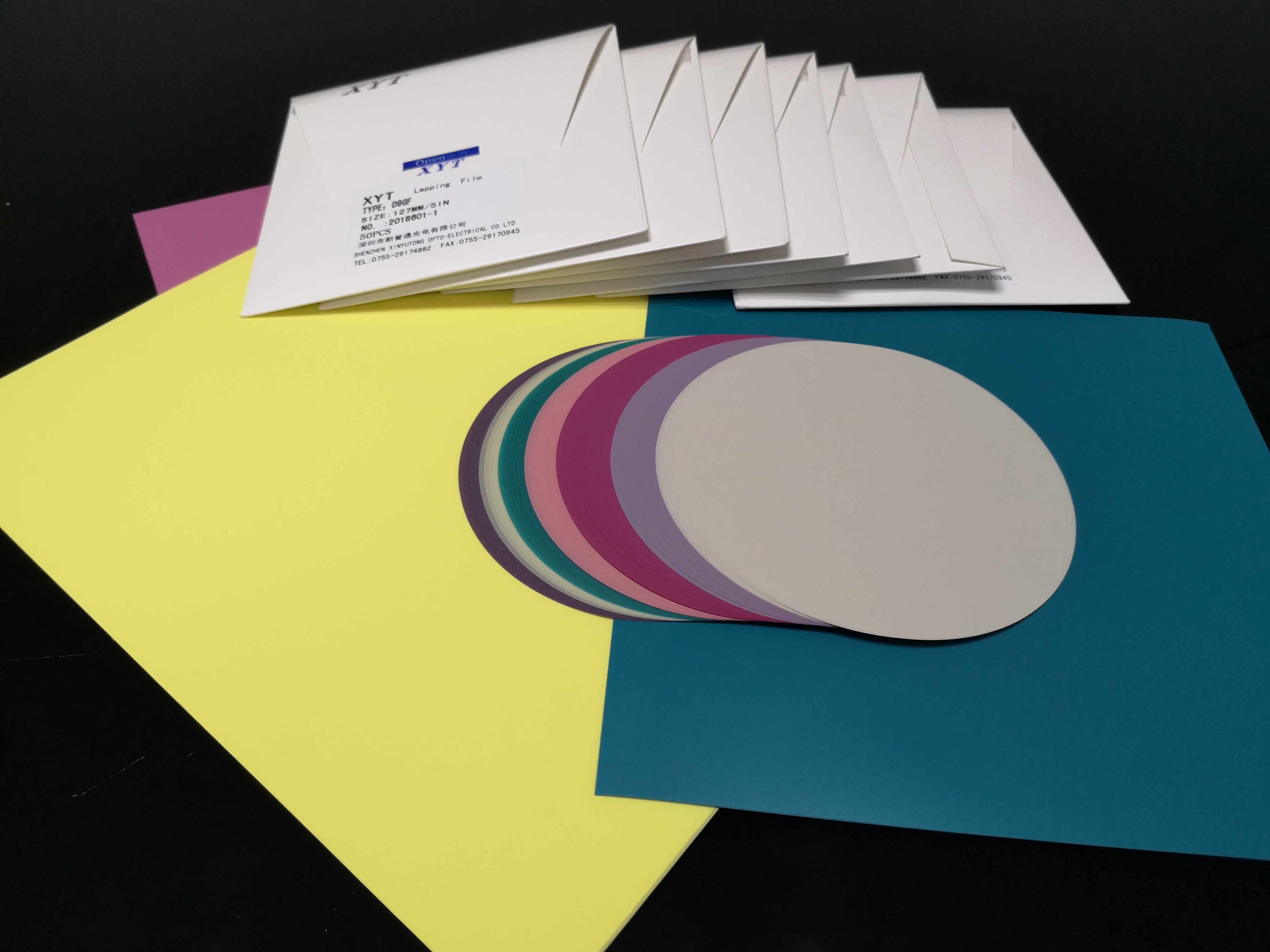
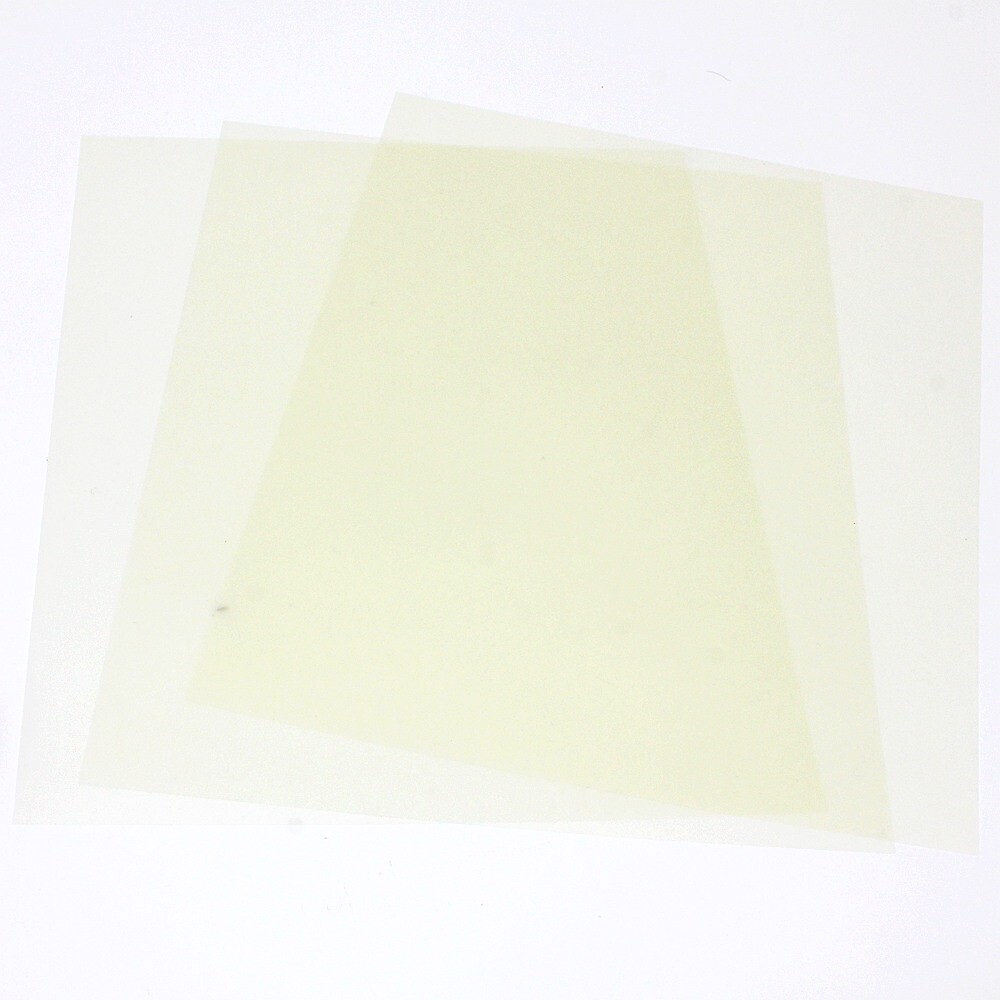
Use DI water or light slurry fluid on polishing film rather than dry polishing. Lapping Film
Maintain consistent pressure and motion throughout.
2. Polishing Workflow Overview
Stage 1 — Epoxy Removal & Initial Leveling
Film: SC15D Silicon Carbide (SiC) or coarse Diamond
Typical Grit: 30–15 µm
Objective: Remove epoxy bead, dull fiber protrusion, flatten ferrule surface before geometry profiling.
Process:
Wet the film with DI water.
Apply lubricant and align polish jig.
Rotate at low speed with moderate pressure until flash and protruding epoxy/larger fiber tips are smoothed.
Inspection: Surface should be flat with no epoxy beads; fiber tips should be flush to slightly recessed. Lapping Film
Stage 2 — Geometry & Apex Control
Film: SC3D Fine Silicon Carbide (SiC) or Diamond
Typical Grit: 9–3 µm
Objective: Shape ferrule geometry, establish appropriate radius and apex position.
Process:
Maintain wet polishing (DI water) to carry away debris.
Continue orbital polishing ensuring uniform contact across all fiber cores.
Moderate pressure, consistent motion.
Inspection: Visible geometry improvement, fewer scratches, uniform fiber height distribution. Lapping Film
Stage 3 — Intermediate Conditioning
Film: SC1A Silicon Carbide (SiC) or Alumina
Typical Grit: 1–0.5 µm
Objective: Remove coarse scratches and further smooth end‑face.
Process:
Slightly lower pressure than earlier stages.
Wet film with DI water; perform controlled orbital cycles.
Inspection: Fewer visible scratches, smoother surface, preparation for final finish. Lapping Film
Stage 4 — Final Optical Finish
Film / Slurry: CE0.5B Cerium Oxide (CeO₂) or Silicon Dioxide (SiO₂) sub‑micron polishing media
Typical Grit: 0.5–0.1 µm
Objective: Achieve mirror finish, minimize micro‑scratches, and optimize optical performance.
Process:
Use ultra‑fine slurry or film.
Polishing pad should be clean and wetted.
Light pressure, steady motion.
Inspection: End‑face appears glossy and defect‑free under high magnification. Lapping Film
3. Inspection & Quality Controls
Microscope Check
Fiber must be flush with ferrule endface, not protruding or undercut.
Radius shape symmetrical and centered.
Only very light random scratches (if any) under 200× inspection acceptable — deep scratches or pits are failures.
Optical Performance
Insertion Loss (IL): Must meet single‑mode connector spec (vs product requirement).
Return Loss (RL): Higher RL typically correlates with better finish quality.
4. Best Practices & Troubleshooting
✔ Clean thoroughly between steps — contamination is a leading cause of scratches.
✔ Avoid over‑polishing — excessive removal can lead to undercut and fiber damage.
✔ Pressure control — too much pressure → scratches; too little → slow polishing.
✔ Use consistent film usage discipline (discard after single use or when worn).
5. Summary Polishing Sequence (Quick Reference)
Epoxy Removal: SC15D SiC / coarse Diamond (30–15 µm, DI water)
Geometry Shaping: SC3D fine SiC / Diamond (9–3 µm)
Intermediate Smoothing: SC1A SiC / Al₂O₃ (1–0.5 µm)
Final Finish: CE0.5B CeO₂ / SiO₂ (0.5–0.1 µm)
Inspection: Microscope + IL/RL testing
Glossary
Undercut / Protrusion: Fiber end position relative to ferrule surface — should be nearly flush with minimal deviation.
Apex Offset: Distance between ideal center of end‑face radius and actual apex — control critical for performance.
Important Practical Tips
Initial hand polishing / air polishing helps normalize fiber protrusion before machine polishing begins (SI film on soft pad).
Keep polishing jig clean — grit trapped in guide pin holes can damage surface.
Online Consultation
Related Suggestion
 XYT Lapping Film for VSFF MMC16, MMC24, MMC32 Polishing
 Step-by-step SOP for MMC VSFF/TMT Polishing Solutions Guide
 Lapping Film Discs and Sheets for Laboratories
, MTCT®, and MT Ferrules Connectors") Lapping Film for PMT, Co‑Packaged Optics (CPO), MTCT®, and MT Ferrules Connectors
Lapping Film for PMT, Co‑Packaged Optics (CPO), MTCT®, and MT Ferrules Connectors XYT Precision Lapping Films and Polishing Consumables for MPO, MTP, and MMC Connectors
 High-Yield MPO/MTP/MMC Polishing Solution for Fiber Optic Patch Cord Ferrules
 Lapping Discs & Sheets – Diamond & Aluminum Oxide | Precision Polishing
 Explore Aluminum Oxide Lapping Film: 0.05 µm – 60 µm Grit Sizes | Discs & Sheets
 0.5 µm PSA Aluminum Oxide Lapping Film Discs & Sheets | Ultra-Fine Polishing
 30 µm PSA Aluminum Oxide Lapping Film Discs & Sheets | Coarse Polishing
 15 µm PSA Aluminum Oxide Lapping Film Discs & Sheets | Coarse Polishing
 12 µm PSA Aluminum Oxide Lapping Film Discs & Sheets | Coarse-to-Medium Pre-Polishing
 9 µm PSA Aluminum Oxide Lapping Film Discs & Sheets | Pre-Polishing
 6 µm PSA Aluminum Oxide Lapping Film Discs & Sheets | Pre-Polishing
 3 µm PSA Aluminum Oxide Lapping Film Discs & Sheets | Fine Polishing
 0.3 µm PSA Aluminum Oxide Lapping Film Discs & Sheets | Achieving Mirror-like Surfaces.
 1 µm PSA Aluminum Oxide Lapping Film Discs & Sheets | Ultra-Fine Polishing


Get in Touch
*We respect your confidentiality and all information are protected.