
Discover the latest TMT lapping film application manuals and process optimization guides to enhance precision and efficiency in surface finishing. Whether you're working with diamond lapping film, silicon carbide lapping film, or aluminum oxide lapping film, XYT provides industry-leading expertise and resources to support reliable performance across optical, automotive, electronics, and aerospace sectors. Learn how our advanced abrasive materials and innovative manufacturing solutions can elevate your polishing results and ensure consistent quality from lab to production.
Understanding TMT Lapping Film and Its Core Applications
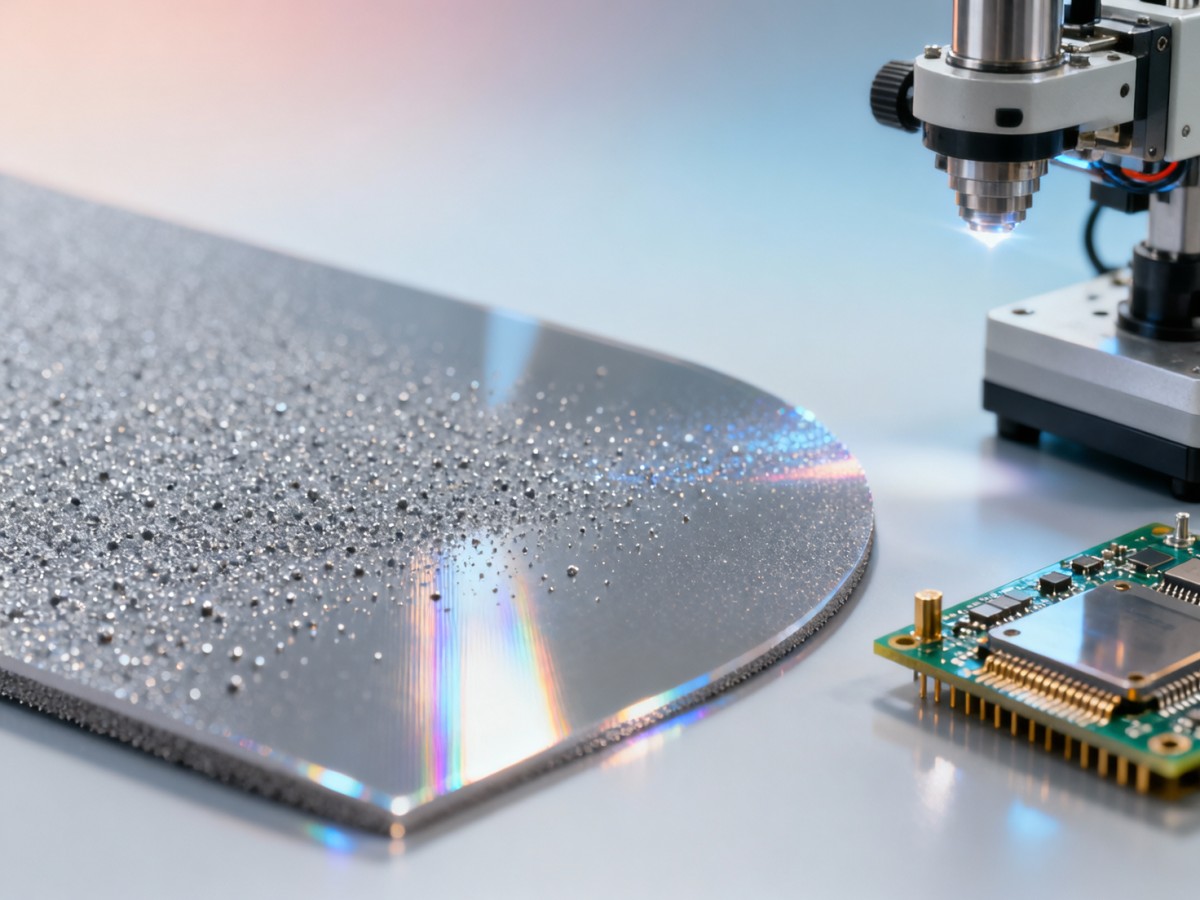
TMT lapping film is a precision-engineered consumable widely used across industries requiring high-accuracy surface finishing, such as fiber optics, electrical components, and semiconductor manufacturing. These ultra-thin polymer-backed films are coated with micro-sized abrasive particles, enabling controlled material removal in polishing and planarization processes. Common abrasives include diamond, aluminum oxide, silicon carbide, cerium oxide, and silicon dioxide, each offering specific advantages based on substrate hardness and expected finish grade.
In electrical equipment and device applications, maintaining uniform surface flatness within ±0.5 µm and achieving reflectivity levels above 98% are often essential. TMT films ensure such precision by delivering stable abrasive grain distribution and consistent coating thickness, typically within a 1.5–3 µm tolerance. The resulting improvement in contact resistance, bonding reliability, and optical alignment directly impacts device performance and product lifespan.
Depending on the application, different abrasive materials are chosen. Diamond lapping films excel in hard material processing—including ceramics, carbide, and steel—while aluminum oxide films are better suited for softer metals and polymers. In contrast, silicon carbide lapping films provide efficient stock removal during intermediate polishing steps, balancing speed with surface uniformity.
XYT’s TMT films are produced under strict quality control using proprietary coating lines and online inspection systems ensuring batch-to-batch consistency. The films are compatible with both manual and automated polishing setups, making them adaptable for laboratory sample prep and industrial mass production alike. The company’s cleanroom manufacturing at ISO Class 1000 standard ensures contamination-free films critical for precision industries.
With global demand for high-accuracy polishing consumables projected to grow at 6–8% annually, the versatility of lapping film continues to expand. Professionals in the electrical equipment field increasingly prefer TMT products to improve process repeatability, reduce rework rates by up to 25%, and enhance throughput for fine finishing lines.
Key Factors Influencing Lapping Film Performance
Performance in any lapping or polishing system depends on multiple interacting parameters, including abrasive size, backing material, surface texture, and lubricant compatibility. A proper understanding of these factors can help engineers optimize polishing output while controlling material and labor costs.
Abrasive particle size directly determines surface roughness and removal rate. For precision optical components, particle sizes between 0.1–3 µm are recommended, while general metal finishing might employ 9–30 µm grains for efficient stock removal. The binder’s mechanical strength influences film durability and scratch uniformity, affecting the number of usable cycles per film sheet—typically ranging from 20 to 120 minutes of continuous use, depending on workload.
Lubricants, such as lapping oils and polishing liquids, play a critical role in ensuring uniform abrasive action. XYT offers dedicated lapping oils designed to maintain stable viscosity between 15–30 cSt at 25 °C, minimizing heat buildup and extending film life. For optimal compatibility, using polishing liquids paired with the specific abrasive material is advisable to prevent clogging or agglomeration during extended operation.
To provide engineers with intuitive reference guidance, the following table summarizes the major performance factors and recommended parameters for different abrasive options used in TMT lapping films.
This table allows engineers to make informed choices during process setup. For example, when dealing with high-carbon steel, switching from aluminum oxide to silicon carbide can increase removal rate by 15–20% under the same load pressure of 1.2 kg/cm², while maintaining required surface quality. Conversely, diamond abrasives remain optimal for brittle substrates where micro-cracking control is paramount.
Process Optimization and Workflow Integration
Process optimization in lapping applications revolves around balancing removal efficiency and surface integrity. Achieving this equilibrium requires attention to film rotation speed, applied pressure, lubrication flow rate, and sheet change intervals. For automated polishers, rotation speeds between 150–500 rpm and pressure ranges of 0.8–1.5 kg/cm² typically yield consistent outcomes. Deviations beyond ±0.2 kg/cm² can lead to micro-defects or uneven surfaces.
An effective optimization process generally follows a sequential routine of pre-conditioning, polishing, inspection, and final cleaning. In industrial environments, establishing closed-loop feedback through in-line inspection sensors reduces error propagation. XYT’s facilities incorporate automated SCADA-based systems capable of detecting film wear depth differences exceeding 5 µm in real time, triggering automatic film replacement alerts.
To guide adoption, here is a standard five-step optimization workflow often used across XYT’s customer sites:
- Analyze component substrate hardness and surface target roughness.
- Select appropriate abrasive type and backing flexibility based on geometry.
- Run pilot polishing cycles (10–15 minutes) to define feed rate and pressure stability.
- Record data for film wear, lubrication efficiency, and surface deviation.
- Implement periodic review using SPC (Statistical Process Control) every 200 cycles.
Implementing standardized steps like these often increases process repeatability by over 30% and decreases consumable waste by approximately 18–22%. Combining this with digital monitoring technology ensures optimized use of lapping films in both R&D and production environments.
Procurement and Quality Assurance Considerations
For procurement teams and quality managers, selecting reliable lapping film suppliers involves evaluating not only cost and availability but also consistency, traceability, and compliance with standards such as ISO 9001 and RoHS. Supplier capability directly influences batch uniformity and the stability of key abrasive properties—parameters critical for high-volume electrical component production.
Procurement should focus on measurable criteria, including film thickness tolerance (often ±1 µm), adhesion uniformity (>95% coating adhesion), and backing elongation (4–8%). Assessing these parameters can prevent deviations that cause uneven polishing or equipment damage. It is equally important to evaluate packaging and storage guidelines since humidity over 65% RH or temperatures above 30 °C may degrade film performance through binder softening.
The following table provides a concise procurement checklist comparing key evaluation dimensions for premium-grade and general-purpose lapping films used in electrical device finishing.
By comparing these metrics, buyers can predict total lifecycle cost and yield outcomes before purchase. Premium films, despite higher unit price by roughly 15–20%, often reduce downtime and reprocessing costs enough to realize overall savings within two months of operation. Thorough incoming inspection also ensures lot traceability that aligns with global supply chain quality control expectations.
Maintenance, Storage, and Handling Guidelines
To preserve TMT lapping film performance, end users should follow proper maintenance and environmental controls. Unused rolls or sheets should be stored at 18–25 °C and 40–60% RH; deviations may alter adhesive strength or particle dispersion. Rotation between storage and production should not exceed 12 months to guarantee full performance stability. Once unsealed, films should be used within 30 days to minimize exposure to airborne contaminants.
Before application, clean the platen surface using isopropyl alcohol or recommended mild solvents to ensure adhesive bonding integrity above 90%. After polishing cycles, films should be removed carefully in a peel-away motion to prevent residue build-up that could distort subsequent results. Implementing these maintenance procedures can extend polishing equipment uptime by approximately 10–15% over annual operation time.
Beyond storage, users should apply consistent inspection routines after each polishing batch. Check for scratches or contamination larger than 50 µm under 20× magnification. Irregular discoloration or delamination may indicate excessive heat concentration or chemical incompatibility, in which case film replacement is recommended. Establishing preventive replacement intervals—such as every 150 cycles—helps maintain process predictability.
XYT provides customizable maintenance support programs offering periodic audits and technician training to integrate these guidelines into factory quality systems. Such programs typically reduce customer complaint rates by 25% and shorten failure analysis time from two days to less than eight hours, according to internal performance data across multiple international facilities.
Frequently Asked Questions on TMT Lapping Films
How can users choose the right abrasive type for electrical component polishing?
Selection depends on component material and precision requirements. Diamond abrasives deliver microscopic control suited for connector pins or ferrules, maintaining shape accuracy within ±0.2 µm. Aluminum oxide works well on softer contacts, avoiding overcut, while silicon carbide supports deburring operations before fine finishing. Testing sample sets between 3 µm and 9 µm sizes helps identify optimal balance between removal rate and gloss level.
What is the expected shelf life of XYT TMT lapping films?
When stored under recommended 20 °C / 50% RH conditions, XYT films maintain full specification compliance for up to 24 months. However, for critical polishing environments, consumption within 12 months is advised to ensure coating stability and adhesive integrity. Lot numbers printed on packaging provide traceability for all production batches.
What are common mistakes to avoid during film application?
Common errors include reusing worn films beyond their designated cycle count, applying excessive pressure leading to substrate distortion, or mixing incompatible lubricants that alter removal rates. To avoid these issues, follow the recommended five-step optimization method and routine inspection intervals every 50 cycles for surface flatness validation.
What is the typical delivery lead time for bulk orders?
For standard dimensions such as 127 mm or 203 mm diameter discs, normal delivery is 10–15 working days from confirmed order. Custom grit sizes or non-standard backings may extend lead time to 3–4 weeks. XYT’s large-scale slitting and storage centers support quick-response scheduling to accommodate rapid manufacturing demands.
Conclusion and Next Steps
TMT lapping films from XYT represent an advanced, proven solution for achieving precision surface finishing across multiple industries such as electrical equipment, optics, automotive, and aerospace. By understanding material interactions, process parameters, and maintenance best practices, engineers and decision-makers can significantly improve product reliability and manufacturing yield.
Whether your goal is to refine prototype polishing workflows or optimize high-volume production environments, XYT’s comprehensive technical support and process manuals deliver measurable value—higher accuracy, longer tool life, and reduced operational cost. With experience serving more than 85 countries, XYT ensures consistent quality backed by continuous innovation and sustainable production standards.
To explore customized recommendations or obtain the latest TMT lapping film application manuals, contact XYT directly for expert consultation. Let our precision polishing specialists help streamline your process, enhance equipment efficiency, and secure competitive advantages in your electrical manufacturing operations.
Awesome! Share to:
Related Posts
- ◉ China Tightens Abrasive Exports: Carbon Footprint Declarations Required for US and EU Shipments from August 15
- ◉ EU REACH Rules for Nanoparticle Silica Take Effect August 15
- ◉ When Is Cerium Oxide Film Used for Connector End-Face Finish?
- ◉ Diamond vs. Silicon Carbide Lapping Film for Connectors
- ◉ How Should MTP Polishing Parameters Be Tuned?
Get in Touch
*We respect your confidentiality and all information are protected.